
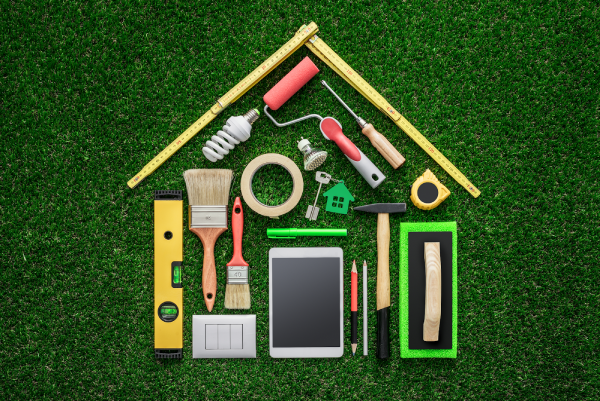
Whether you’re a first-time homeowner or someone who loves tackling weekend projects, having the right tools makes all the difference. From quick fixes to ambitious renovations, the right gear saves time, boosts confidence, and ensures you get professional-looking results without hiring help. A well-stocked toolbox isn’t just convenient—it’s empowering. It means you’re prepared for leaky faucets, loose doorknobs, new shelves, and every project in between.
If you’ve ever browsed home improvement magazines or even collections of organized workshop stock photos, you’ve probably noticed that DIY pros have an arsenal of tools that seem endless. The good news? You don’t need every gadget under the sun to be capable and self-sufficient. You just need the essentials—the tools that solve 90% of the jobs you’ll encounter around the house.
Here’s a full breakdown of the must-have tools every DIY homeowner should own, plus why each one matters.
A Quality Hammer
A claw hammer is one of the most basic—but most used—tools in any home. Whether you’re hanging pictures, assembling furniture, pulling out old nails, or tackling framing projects, a good hammer is your go-to. Choose one with a comfortable grip and balanced weight. A 16-ounce hammer is ideal for most people: heavy enough for force but light enough for control.
Screwdrivers (Both Phillips and Flathead)
If you only invest in one set of tools, make it screwdrivers. You’ll use them constantly. From tightening doorknobs to opening battery compartments to assembling just about everything, screwdrivers are essential. Look for a multi-bit screwdriver or a full set with various sizes—especially small precision versions for electronics and tiny hardware.
A Reliable Power Drill
A power drill changes everything for a DIY homeowner. Drilling holes by hand is slow and frustrating; a drill makes it effortless. Even better, your drill doubles as a power screwdriver, which speeds up assembly and installation projects dramatically. Cordless models are most convenient—choose one with a long-lasting battery and multiple speed settings. Having a full drill bit set (wood, metal, masonry) ensures you can tackle any task.
Tape Measure
“Measure twice, cut once” is a rule for a reason. A 25-foot tape measure is perfect for most home projects, long enough for room measurements and compact enough for drawers or toolboxes. Look for one with a locking mechanism and a rigid standout (so it stays extended longer without collapsing).
Utility Knife
A utility knife is one of the most underrated tools but becomes indispensable once you have one. It’s perfect for cutting open boxes, trimming carpet, slicing drywall, and scoring materials for clean snapping. Always choose a retractable model with replaceable blades. A sharp blade is safer than a dull one.
Level
Whether you’re hanging photos, installing shelves, or mounting a TV, a level ensures your work looks clean and professional. A 24-inch level is ideal for most tasks, and a small torpedo level fits tight spaces. Some homeowners also invest in laser levels for perfect alignment across larger areas.
Stud Finder
If you’re mounting something heavy—like a TV, mirror, or shelf—you’ll want to anchor it into a wall stud for safety. A stud finder makes this quick and accurate. While some people tap the wall and guess, an electronic stud finder gives much more reliable results.
Adjustable Wrench
Plumbing leaks go from stressful to manageable when you have an adjustable wrench on hand. It’s perfect for tightening nuts and bolts of all sizes, making it great for plumbing fixtures, furniture assembly, and appliance repair. Many homeowners eventually buy a full wrench set, but a single adjustable wrench is a great place to start.
Pliers (Needle-Nose and Slip-Joint)
Pliers help you grip, twist, and cut. They’re essential for pulling staples, bending wires, tightening bolts, and reaching into tight spaces. Needle-nose pliers are perfect for small, delicate tasks, while slip-joint pliers give you strength for tougher jobs. Cutting pliers or wire snips are also handy if you do any light electrical or craft work.
Allen Wrench (Hex Key) Set
If you’ve ever assembled IKEA furniture, you know how important hex wrenches are. Keep a full set on hand, both metric and standard. A folding set keeps them organized and easy to grab when needed.
Handsaw
Even if you have a power saw someday, a simple handsaw is essential. It’s lightweight, easy to store, and perfect for quick cuts in wood or PVC pipe. A crosscut handsaw works for most general tasks.
Flashlight or Headlamp
Good lighting is crucial when working in dark corners, attics, crawl spaces, or under sinks. A powerful LED flashlight works great, but many DIYers prefer headlamps because they keep your hands free.
Extension Cords
Outdoor projects, power tools, and holiday lighting all require reliable extension cords. For safety, choose heavy-duty cords rated for outdoor use—even if you only plan to use them indoors occasionally.
Safety Gear
DIY projects get a lot safer with proper gear. Every homeowner should have:
- Safety glasses
- Work gloves
- Ear protection (if using loud tools)
- Dust masks or respirators
These protect you from debris, chemicals, and unexpected mishaps.
Toolbox or Pegboard System
Organization is half the battle. A sturdy toolbox keeps everything in one place, easy to transport between rooms. For long-term organization, many homeowners install a pegboard in their garage or utility room—perfect for hanging tools where they’re visible and easy to grab.
A Cordless Oscillating Multi-Tool (Optional but Game-Changing)
While not strictly essential, once you own one, you’ll wonder how you lived without it. A multi-tool sands, cuts, scrapes, and grinds. It’s perfect for trimming door frames, cutting through nails, smoothing surfaces, and doing small-scale demolition. If you’re expanding your tool collection, this is a top pick.
Caulking Gun
For sealing windows, tubs, sinks, and cracks, a caulking gun is a must. It prevents moisture damage, improves energy efficiency, and keeps pests from sneaking in. Be sure to choose high-quality caulk based on your project—silicone for bathrooms, latex for trim and walls.
A Basic Socket Set
Socket sets are essential for car maintenance but also incredibly useful in the home. They handle bolts far better than wrenches alone and come in handy for assembling grill equipment, tightening garage hardware, and repairing bikes.
Ladder
A sturdy ladder makes everything safer, from changing light bulbs to cleaning gutters. A 6-foot step ladder is perfect for indoor use, while taller extension ladders help with outdoor work. Look for ladders with anti-slip steps and sturdy locking mechanisms.
Paint Supplies
Even if you don’t plan major renovations, minor paint touch-ups are part of homeownership. Keep:
- A small roller
- A few quality brushes
- Painter’s tape
- Drop cloths
- Touch-up containers
These simple tools make refreshing walls, trim, and cabinets quick and painless.
Final Thoughts
Being a DIY homeowner doesn’t mean you need a fully stocked workshop or professional-grade tools. It means having the essentials—the tools that let you take control of your home, fix problems quickly, and bring your creative ideas to life. Whether you’re hanging décor, improving storage, repairing fixtures, or starting your first renovation project, the right tools make everything smoother and more enjoyable.
As you grow more confident, your tool collection may expand to power saws, sanders, or specialty items. But these essentials form the foundation of every capable homeowner’s kit. So start with the basics, keep them organized, and soon you’ll find that no project feels too intimidating. After all, a home doesn’t just stay beautiful on its own—it thrives when its owner has the tools (and the confidence) to take care of it.
