
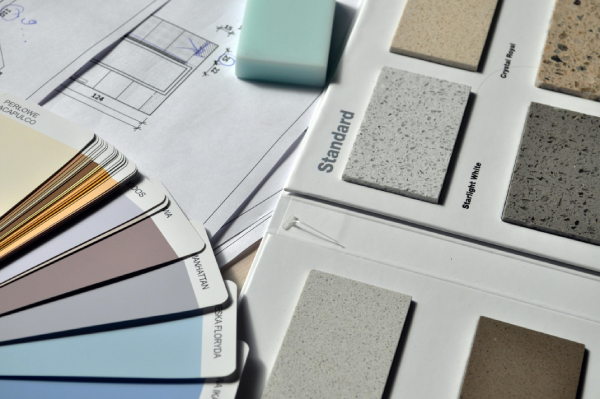
Building a new home is one of the most significant investments a person can make. Every choice, from foundational components to finishing materials, plays a role in determining how well that investment holds its value over time. While aesthetics often drive early design decisions, the materials used behind the walls, under the roof, and throughout the structure have a much greater impact on long term durability, performance, and financial protection. Selecting the right materials ensures a safer, stronger, and more resilient home that continues to perform well as years pass and conditions change.
Start with a Strong and Stable Foundation

A home’s foundation sets the tone for every part of the structure. High quality materials used at this stage help prevent issues such as cracking, settling, and moisture intrusion. Concrete strength, reinforcement type, and proper waterproofing all determine how well the foundation will withstand soil movement, water pressure, and temperature fluctuations. Builders often use reinforced concrete with steel rebar to add tensile strength and reduce the likelihood of structural cracking. Waterproof membranes and drainage systems further protect the foundation by guiding water away rather than allowing it to penetrate. When homeowners invest in top tier foundational materials, they reduce the risk of costly future repairs and create a sturdy base that supports the entire property.
Prioritize Roofing Materials That Maximize Structural Protection
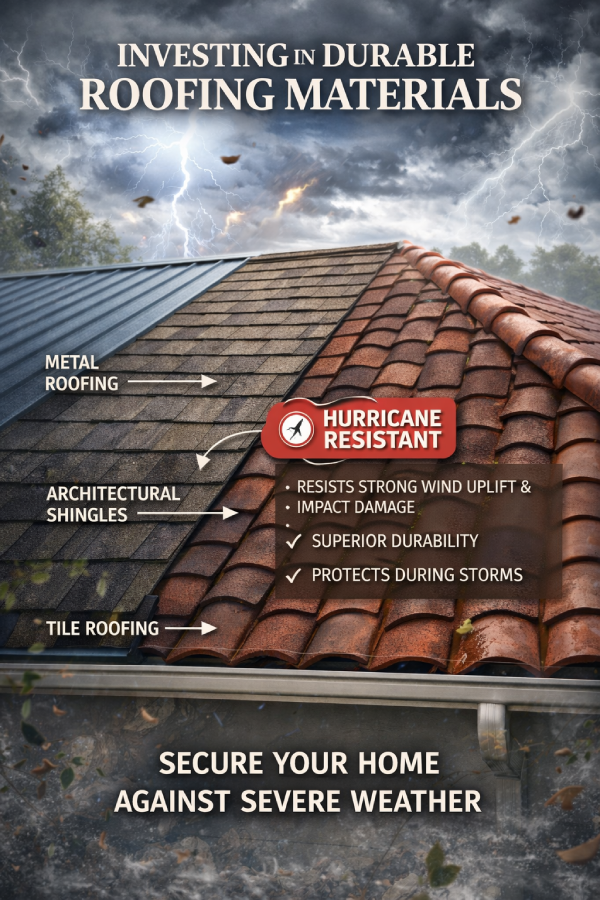
The roof is one of the primary defenses against weather and environmental stress. Choosing roofing materials designed for strength and longevity is essential for protecting interior spaces and structural framing. Metal roofing, architectural shingles, and tile roofing are popular options known for superior durability. In regions prone to intense storms, selecting hurricane resistant home roofing adds another level of protection. These roofing systems are engineered to resist strong wind uplift and impact damage, which reduces the likelihood of leaks, broken shingles, or structural compromise. Investing in high performing roofing materials helps ensure that the home remains secure during unpredictable weather patterns and reduces long term maintenance costs.
Use Exterior Materials That Handle Moisture and Temperature Fluctuations
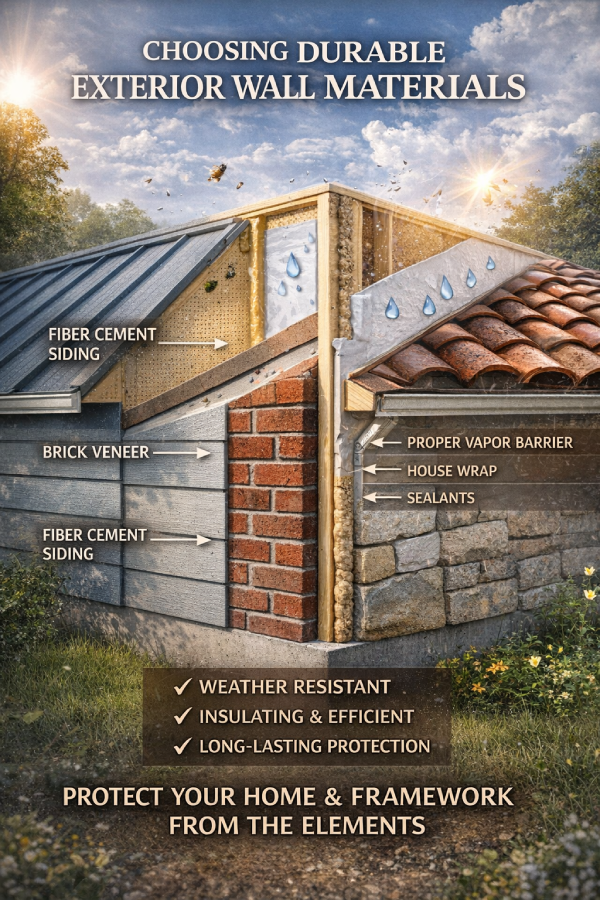
Exterior walls are constantly exposed to sunlight, moisture, heat, and cold. Selecting materials that withstand these conditions is essential to maintaining structural integrity and appearance. Fiber cement siding is favored for its resistance to rot, fire, moisture, and insects. Brick and stone provide excellent longevity and require minimal maintenance. Modern stucco systems, when properly installed, offer strong weather resistance and effective insulation. Exterior materials should also include proper vapor barriers, house wraps, and sealants to prevent moisture from entering the home’s framework. When the building envelope is protected from the elements, the home performs better, lasts longer, and remains more energy efficient.
Choose Interior Materials That Balance Beauty and Durability
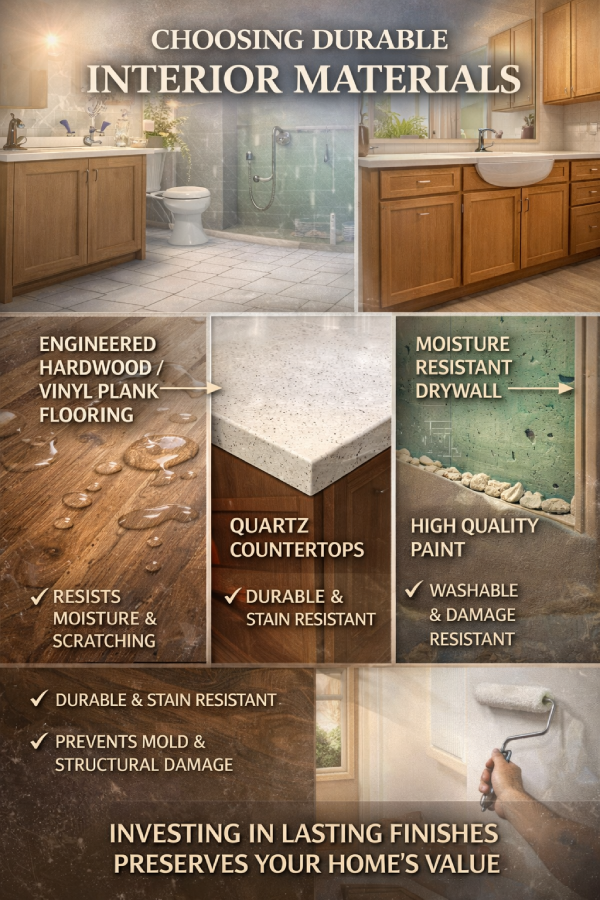
Interior features should contribute to long term performance instead of only providing visual appeal. Flooring, countertops, cabinetry, and wall materials must stand up to daily use, humidity changes, and wear. Engineered hardwood and high quality vinyl plank flooring offer the visual warmth of wood with increased resistance to moisture and scratching. Quartz countertops outperform many natural stone options due to their durability and resistance to staining. Moisture resistant drywall, especially in bathrooms and kitchens, helps prevent mold growth and structural weakening. Even paint choices matter. High quality, washable paints maintain appearance and resist surface damage. When homeowners select interior materials with longevity in mind, they reduce future replacement costs and maintain the home’s value.
Look for Energy Efficient Materials that Improve Performance
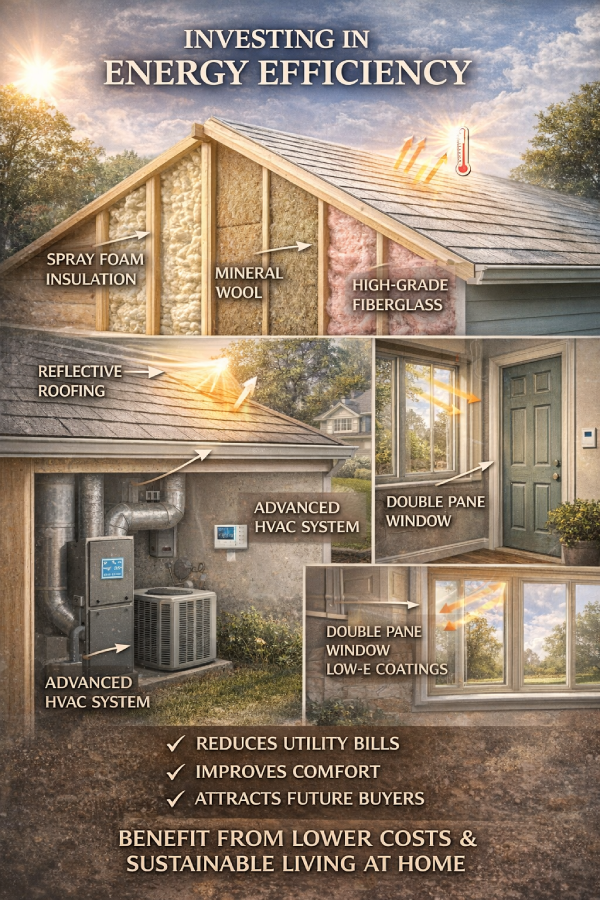
Energy efficient materials and systems add value through reduced utility costs and increased comfort. Insulation plays a major role in maintaining temperature balance. Spray foam insulation is known for its excellent air sealing properties, while mineral wool and high grade fiberglass remain reliable, cost effective options. Energy efficient windows with low emissivity coatings reduce heat transfer and improve indoor comfort. Well sealed doors, advanced HVAC systems, and reflective roofing materials contribute to lower energy consumption. Homes built with energy efficient materials not only save money over time but also attract future buyers who prioritize sustainability and reduced operating costs. Investing in efficiency oriented materials supports long term performance that benefits both the homeowner and the environment.
Conclusion
Thoughtful material selection is one of the most effective ways to protect your investment when building a new home. Strong foundational products, durable roofing systems, weather resistant exterior materials, long lasting interior finishes, and energy efficient components all work together to create a structure that performs well year after year. When homeowners prioritize materials that offer durability, resilience, and long term value, they ensure that their new home remains safe, comfortable, and financially sound. Building with quality in mind turns a new home into a lasting investment that continues to provide security and satisfaction for decades.
