
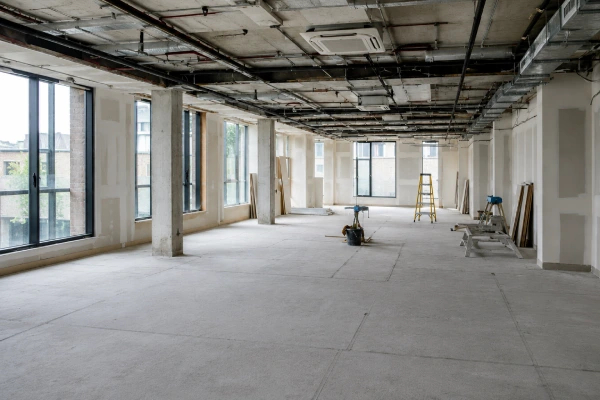
A well-executed property refurbishment can transform a commercial asset, increasing its value, attracting higher-quality tenants and improving long-term returns. Whether you’re modernising an office building, upgrading retail premises or repositioning an industrial unit, refurbishment projects offer significant opportunities for commercial property owners and investors.

However, successful refurbishments don’t begin with builders arriving on site. They start long before any physical work takes place, with careful planning, detailed assessments and a clear understanding of the property’s objectives.
Without proper preparation, refurbishment projects can quickly become expensive, time-consuming and disruptive. Unexpected structural issues, inaccurate plans, budget overruns and project delays can all impact profitability.
By taking the right steps before work begins, commercial property owners can minimise risks and maximise the return on their investment.
Define Your Refurbishment Goals

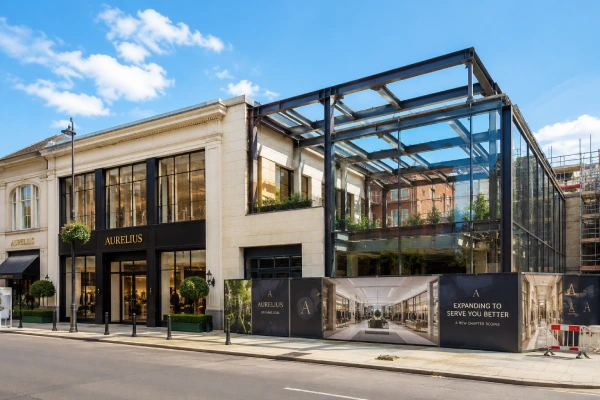
Before making any decisions, it’s important to establish exactly what you hope to achieve through the refurbishment.
Different objectives will require different levels of investment and different refurbishment strategies. You may be looking to:
- Increase rental income
- Attract new tenants
- Improve occupancy rates
- Modernise outdated facilities
- Improve energy efficiency
- Meet changing regulatory requirements
- Increase the property’s market value
- Prepare the asset for sale
Having clear objectives helps ensure every decision throughout the project supports your wider investment strategy.
A refurbishment undertaken without a defined goal can easily result in unnecessary spending on improvements that deliver little financial benefit.
Assess the Current Condition of the Property
A thorough assessment of the building should be one of the first steps in the refurbishment process.
Commercial properties often contain hidden issues that are not immediately obvious during a visual inspection. Structural defects, ageing electrical systems, drainage problems, roofing issues and outdated building services can all influence the scope and cost of the project.
Identifying these issues early allows owners to plan appropriately and avoid unpleasant surprises once work begins.
Professional inspections and surveys can provide valuable insight into the building’s condition and help establish realistic budgets and timelines.
Start with Accurate Building Information
One of the most overlooked aspects of refurbishment planning is ensuring you have accurate information about the existing property.
Many commercial buildings have undergone alterations, extensions or internal reconfigurations over the years, meaning original drawings may no longer reflect the current layout. Working from inaccurate information can lead to design errors, construction delays and unexpected costs.
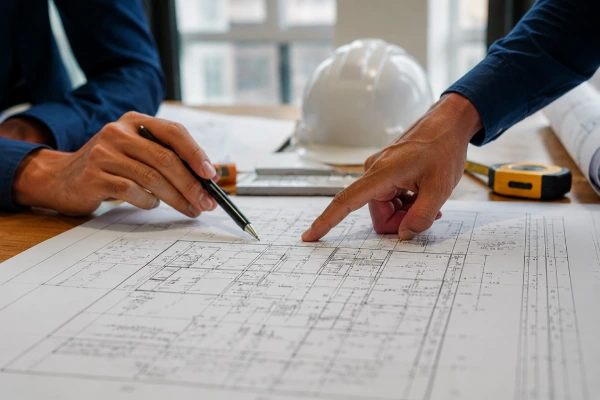
This is where a measured building survey can prove invaluable. By providing precise measurements and detailed drawings of the property’s existing structure, layouts and dimensions, it gives architects, designers and contractors a reliable foundation for planning refurbishment works.
Accurate building data helps improve project efficiency, reduces the likelihood of costly mistakes and allows refurbishment budgets to be based on facts rather than assumptions.
For investors managing large or complex commercial properties, this can be one of the most important early-stage investments in the entire refurbishment process.
Understand Market Demand
Refurbishment decisions should be driven by market requirements rather than personal preferences.
Before committing to a project, research the local commercial property market and identify what prospective tenants or buyers are looking for.
Consider factors such as:
- Competing properties in the area
- Local vacancy rates
- Tenant expectations
- Industry trends
- Sustainability requirements
- Technological infrastructure demands
For example, office occupiers increasingly prioritise flexible working spaces, energy-efficient systems and modern amenities. Retail tenants may focus more heavily on customer experience, accessibility and visibility.
Understanding demand helps ensure refurbishment spending is directed towards improvements that genuinely add value.
Establish a Realistic Budget
Budget planning is one of the most critical stages of any refurbishment project.
Many owners underestimate the true cost of refurbishment works by focusing solely on construction expenses. In reality, a successful project requires budgeting for a range of associated costs.
These may include:
- Professional fees
- Surveys and inspections
- Planning applications
- Building control approvals
- Construction works
- Mechanical and electrical upgrades
- Interior fit-outs
- Financing costs
- Contingency allowances
Including a contingency fund of at least 10% to 15% is generally advisable, particularly when refurbishing older properties where unforeseen issues are more likely to arise.
A realistic budget helps prevent financial strain and allows for more effective decision-making throughout the project.
Review Planning and Compliance Requirements
Before work begins, ensure you fully understand any planning, legal and regulatory requirements that may affect the refurbishment.
Depending on the nature of the project, you may need:
- Planning permission
- Building Regulations approval
- Listed building consent
- Fire safety upgrades
- Accessibility improvements
- Environmental compliance measures
Addressing these requirements early can prevent delays and reduce the risk of costly redesigns later in the process.
Working with experienced consultants can help streamline approvals and ensure the project remains compliant throughout.
Assemble the Right Professional Team
The quality of the professionals involved in the refurbishment will have a direct impact on the project’s outcome.
Depending on the scale and complexity of the work, your team may include:
- Architects
- Building surveyors
- Structural engineers
- Project managers
- Quantity surveyors
- Interior designers
- Planning consultants
- Contractors
When selecting professionals, focus on experience, reputation and relevant expertise rather than simply choosing the lowest-cost option.
A strong team can help identify risks, improve efficiency and ensure the project remains aligned with your objectives.
Create a Detailed Scope of Works
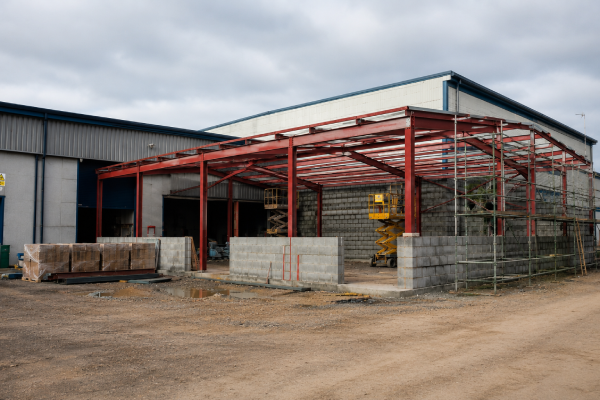
A clearly defined scope of works is essential for controlling costs and maintaining project momentum.
The scope should specify:
- The refurbishment objectives
- Required construction works
- Materials and finishes
- Building services upgrades
- Quality expectations
- Project timelines
Providing contractors with a detailed scope allows them to prepare more accurate quotations and reduces the likelihood of disputes during construction.
It also provides a benchmark for measuring project progress and performance.
Consider Occupancy and Operational Disruption
If the property is occupied, refurbishment planning must take tenant operations into account.
Commercial refurbishments can create disruption through noise, restricted access and temporary service interruptions. Managing these issues effectively is essential for maintaining positive tenant relationships.
Owners should consider:
- Phased construction programmes
- Temporary relocation arrangements
- Health and safety requirements
- Communication plans
- Business continuity measures
Early engagement with tenants can help minimise disruption and reduce the risk of occupancy issues during the project.
Prioritise Sustainability Improvements
Sustainability is becoming an increasingly important factor in commercial property performance.
Many occupiers now actively seek buildings that offer lower operating costs, improved energy efficiency and stronger environmental credentials.
Potential upgrades may include:
- LED lighting
- Improved insulation
- Energy-efficient heating and cooling systems
- Smart building controls
- Water-saving technologies
- Renewable energy solutions
These improvements can enhance tenant appeal while helping future-proof the asset against changing regulations and market expectations.
Decide Whether Refurbishment Is the Right Option
While refurbishment can add significant value, it is not always the most appropriate course of action.
If the primary objective is to sell the property, owners should carefully evaluate whether the anticipated increase in value will justify the refurbishment costs, project risks and time commitment involved.
In some cases, particularly where substantial repairs are required or a quick disposal is desired, it may be more practical to explore alternative routes. For example, companies that specialise in helping owners sell house fast will often purchase properties in their existing condition, removing the need for refurbishment altogether.
Taking the time to assess all available options can help ensure capital is deployed in the most effective way possible.
Maintain Oversight Throughout the Project
Even with a highly experienced team in place, active project oversight remains essential.
Regular site meetings, budget reviews and progress reports help ensure the refurbishment remains on schedule and within budget.
Key areas to monitor include:
- Project milestones
- Expenditure
- Quality control
- Risk management
- Contractor performance
- Change requests
Strong oversight enables issues to be identified and addressed before they develop into larger problems.
What a Successful Property Refurb Looks Like
A successful property refurbishment begins long before construction starts. For commercial property owners and investors, careful preparation is often the difference between a profitable project and an expensive mistake.
By defining clear objectives, assessing the property’s condition, obtaining accurate building information, understanding market demand and assembling the right professional team, owners can significantly improve project outcomes.
Investing in a measured building survey early in the planning process can provide the accurate data needed to support informed decisions, reduce risk and improve efficiency throughout the refurbishment.
At the same time, those considering a sale should evaluate whether refurbishment is truly necessary, as alternative solutions may sometimes provide a faster and more cost-effective route to achieving their objectives.
With the right preparation and strategy, commercial property refurbishment can become a valuable tool for enhancing asset performance and maximising investment returns.
