
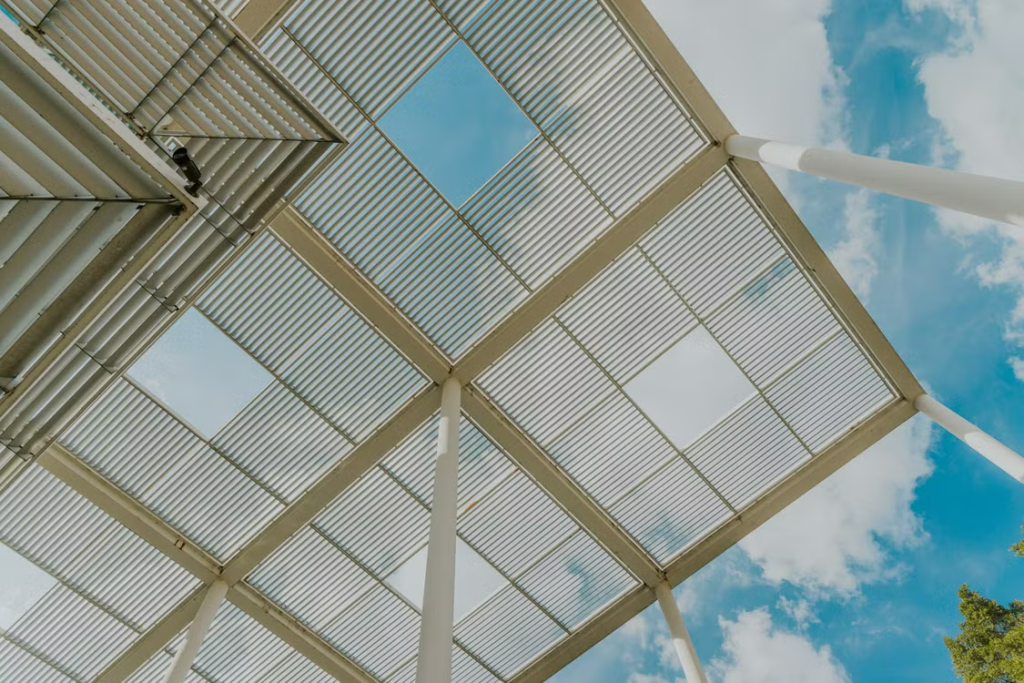

A well-designed outdoor living space can look stunning in photographs and still sit empty by noon. That happens not because of poor furniture choices or an uninspired layout, but because the sun makes it unbearable. Shade is what converts a beautiful space into one that people actually use, and yet it remains one of the most underestimated elements in outdoor living design.
Most homeowners prioritize outdoor furniture, lighting, and landscaping long before they consider shade structures. The result is seating areas and outdoor dining setups that are pleasant in the early morning and again at dusk, but largely avoided during the hours when people most want to be outside. Glare, heat, and direct UV exposure quietly limit how long anyone can comfortably stay.
When shade is treated as an afterthought rather than a foundational design decision, the entire space pays for it. The sections ahead examine why shade functions as a design driver, what forms it takes, and how it shapes every other choice made in an outdoor living space.
Why Shade Gets Pushed to the End of the Plan
Outdoor spaces get planned the way most rooms do: visually. Homeowners picture furniture arrangements, material finishes, and garden views long before they think about where the sun will be at 2 p.m. on a Saturday afternoon.
Comfort Is Harder to Visualize Than Furniture
A sofa has a shape. A pergola has dimensions. The feeling of sitting in unfiltered afternoon heat, however, is abstract until you have actually experienced it in that specific spot. Because comfort is experiential rather than visual, it tends to lose budget conversations to elements that render well in a design mood board.
Shade problems also tend to surface gradually. A new patio may feel perfectly usable during cooler months or during the brief window of morning light, only for its limitations to become obvious once summer arrives and the sun shifts. By then, the hardscape is poured and the furniture is in place.
Retrofits Cost More Than Early Integration
Adding shade structures after construction creates real constraints. The structural anchors for pergolas or canopies may conflict with existing paving, drainage, or planting decisions already made in the landscape design.
Beyond the physical limitations, retrofits rarely achieve the visual cohesion that comes from planning shade as part of the original scheme. A canopy bolted onto a finished patio often reads as an addition rather than a feature, which can affect outdoor patio value boosters and overall property value. Designs that treat all-day sun protection for your deck as a first-order decision tend to deliver both better architecture and better function.
Shade Changes the Microclimate, Not Just the Look
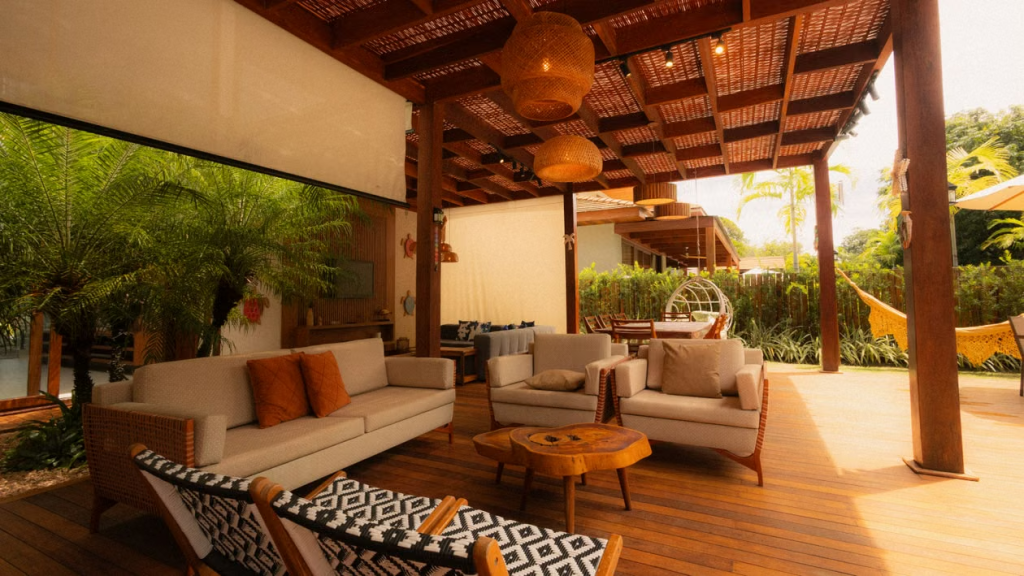
Shade does more than block the sun. It actively reshapes the thermal environment of an outdoor space in ways that extend usability well beyond what aesthetics alone can achieve.
Lower Surface Heat and Gentler Air Temperatures
Unshaded decking, paving, and metal furniture surfaces absorb solar radiation throughout the day and radiate that stored heat back into the surrounding air, raising ambient temperatures noticeably above what a thermometer in open shade would suggest. Shade interrupts that cycle at the source.
When direct sun no longer reaches a surface, temperature reduction happens both underfoot and at seated height. The overall microclimate becomes more stable, which matters most during the afternoon hours when heat buildup tends to peak. A covered seating area that stays ten to fifteen degrees cooler than its unshaded equivalent is not a minor comfort upgrade; it is the difference between a space that gets used and one that gets avoided.
UV Protection Adds a Health Layer to Design
Beyond temperature, shade structures provides meaningful protection from ultraviolet radiation. They reduce UV exposure at ground level, which connects outdoor design directly to a health outcome rather than a purely aesthetic one.
This positions UV protection as a performance specification alongside sustainability and material durability, not an incidental benefit. Shade trees contribute to this effect while also supporting broader sustainability goals through cooling and carbon sequestration. Planning for shade with this evidence in mind shifts it firmly into the category of infrastructure.
The Right Shade Depends on How the Area Works
Not every outdoor zone has the same sun exposure, the same daily rhythm, or the same tolerance for maintenance. Choosing a shade approach without accounting for how a space actually gets used tends to produce solutions that either underperform or get abandoned.
Fixed Structures Suit Daily-Use Zones
Pergolas, canopies, and patio covers are well suited to spaces that see consistent, extended use. An outdoor dining area used for weekend lunches and evening meals benefits from overhead coverage that does not need to be adjusted or stored, and the permanence of a fixed structure also contributes to the visual weight of the space.
These solutions work best when sun exposure in that zone is predictable and maintenance expectations are low. Part of creating a tranquil outdoor oasis is reducing friction, and a permanent cover achieves that by making shade the default condition of the space rather than a task that requires action.
Flexible Options Work Where Sun Patterns Shift
Where layouts change seasonally or sun angles vary across the day, umbrellas and retractable awnings offer practical advantages. They can follow the light rather than commit to one fixed position, which suits lounge zones that double as morning and afternoon spaces.
Shade trees occupy a different category altogether. They build coverage gradually over time, soften the overall composition, and contribute to the microclimate benefits discussed earlier. The best specification comes down to use pattern, sun exposure, maintenance expectations, and visual fit across the whole scheme.
Shade Is What Turns a Patio Into Living Space
An outdoor living space can check every visual box and still fall short of its most basic purpose: giving people a comfortable place to spend time outside. Shade is what closes that gap. Without it, even a well-considered layout with quality materials and thoughtful landscape design becomes a space that looks better in photos than it performs in practice.
The shade structures that work best are those planned from the beginning, not bolted on after the fact. When shade enters the design conversation early, every other decision around it becomes more intentional, and the result is an outdoor space that earns genuine daily use.
