
Some of the links on this website are affiliate links. This means that if you click through and make a purchase, we may earn a small commission at no extra cost to you. Your support helps us keep Style Your Sanctuary free, allowing us to continue sharing home inspiration, decorating advice, and helpful guides. Affiliate programs we work with include Amazon Associates, Awin and Partnerize.
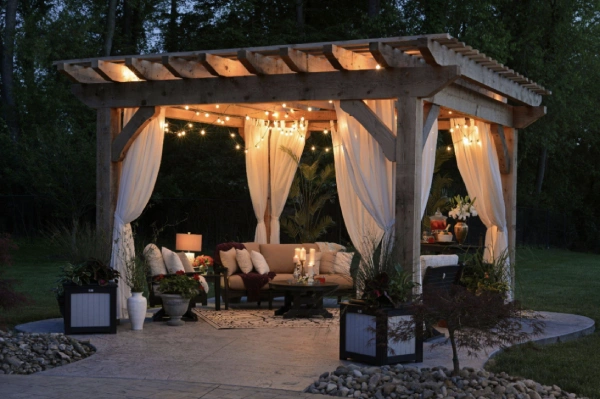
Photo by Randy Fath on Unsplash
A patio can be one of the most enjoyable parts of a home, but once temperatures begin to fall, it is often the first space people stop using. Even a beautifully furnished outdoor area can feel uninviting when cold air, wind, and damp surfaces make sitting outside uncomfortable.
The good news is that a patio does not have to become unusable as soon as summer ends. A few practical changes can make the space warmer, more sheltered, and much more pleasant during cooler months. The aim is not necessarily to recreate indoor temperatures outdoors, but to create enough warmth and comfort that spending an evening outside still feels appealing.
Dress for the Patio, Not Just the Weather
Creating a warmer outdoor space starts with the patio itself, but clothing matters just as much. Sitting outside is very different from walking around, because the body produces less heat when it remains relatively still. Layers therefore become especially useful during long conversations, outdoor meals, or quiet evenings with a drink.
Natural wool is particularly well suited to this kind of setting because it provides warmth without requiring a bulky winter coat. Traditional men’s fisherman sweaters can work particularly well for relaxed evenings outdoors, combining substantial insulation with a style that feels appropriate for both casual dining and time spent around a fire pit.
Keeping a basket containing a few spare blankets close to the patio door can also make spontaneous evenings outside much easier. Instead of heading indoors when temperatures fall slightly, guests can simply add another layer.
Block the Wind Before Adding More Heat
People often assume that a cold patio immediately needs a powerful heater. In many cases, however, wind is responsible for much of the discomfort.
Even relatively mild temperatures can feel considerably colder when a patio is exposed to constant airflow. Adding some form of shelter can therefore make a surprisingly large difference before any additional heating is introduced.
Outdoor curtains, timber screens, trellises, hedging, glass panels, or strategically positioned planters can all reduce exposure. The best solution depends on the layout of the property and the direction from which prevailing winds normally arrive.
The objective is not to completely enclose the patio. A carefully positioned barrier can interrupt the strongest airflow while still allowing the area to feel open and connected to the garden.
Bring Warmth Closer to Where People Actually Sit
Outdoor heating works best when it is planned around seating rather than around the size of the entire patio. Trying to heat a large open area wastes considerable energy because warm air quickly disperses.
Instead, concentrate warmth around the places where people spend most of their time.
Patio heaters, infrared heaters, fire pits, and outdoor fireplaces can all be effective depending on the available space. Infrared heaters are particularly useful because they heat nearby people and surfaces rather than attempting to warm all the surrounding air.
Fire pits create a different experience. Their appeal comes partly from heat and partly from atmosphere, making them a natural focal point for social areas. Seating arranged around the fire encourages people to gather together instead of spreading across the patio, which also makes the available warmth more effective.
Safety and ventilation should always influence placement, particularly when any appliance produces an open flame.
Make the Seating Feel Warmer
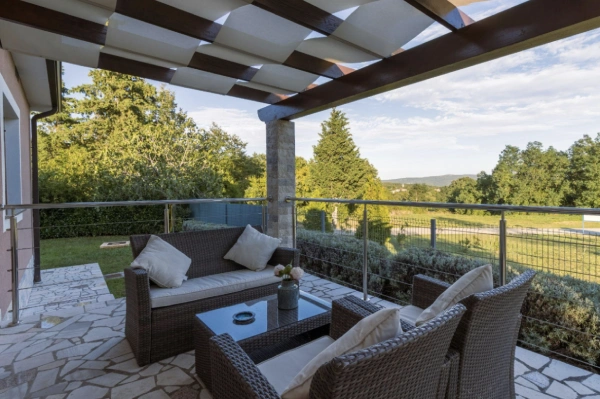
Photo by Alen Rojnić on Unsplash
Cold outdoor furniture can make a patio uncomfortable even when the surrounding air is reasonably mild. Metal chairs, stone benches, and thin outdoor cushions quickly absorb the cold and can remain unpleasant long after a heater has been switched on.
Thicker seat cushions provide a simple solution. Look for outdoor fabrics designed to tolerate moisture while still offering enough padding to separate the body from cold furniture surfaces.
Texture also changes how warm an outdoor area feels. Woven throws, cushions, outdoor rugs, timber furniture, and other softer materials visually reduce the hard appearance that patios sometimes develop during winter.
An outdoor rug can be particularly effective beneath a seating arrangement. Besides making the space look more finished, it helps separate feet from cold stone, concrete, or tiles.
Use Lighting to Create a Cosier Atmosphere
Temperature is only one reason patios can feel less inviting during colder months. Shorter days mean that outdoor spaces become dark much earlier, and harsh security lighting rarely creates an atmosphere that encourages people to stay outside.
Several smaller light sources usually work better than one extremely bright fixture.
Wall lights, table lanterns, string lights, and carefully positioned garden lighting can create depth while keeping the seating area pleasantly illuminated. Warm-toned lighting generally produces a softer atmosphere than very cool white light.
It can also help to illuminate nearby planting, walls, or architectural features rather than concentrating every light directly on the seating area. This makes the patio appear connected to the rest of the garden instead of feeling like a brightly lit island surrounded by darkness.
Make Hot Food and Drinks Part of the Experience
Cool weather can actually make outdoor entertaining more enjoyable when the food suits the temperature. Instead of attempting to reproduce a summer barbecue, treat autumn and winter patio evenings as a different type of occasion.
Hot drinks, soups, casseroles, grilled foods, and dishes served straight from the oven naturally make people feel warmer. Insulated mugs and covered serving dishes can help food and drinks retain their temperature outside.
Positioning a small serving table close to the seating area also reduces unnecessary trips back into the kitchen. If everyone repeatedly has to leave the patio to collect drinks, plates, or condiments, the gathering quickly begins to migrate indoors.
Keeping everything nearby encourages people to settle into the space and stay there.
Turn the Patio Into a Space You Use Beyond Summer
A comfortable patio does not need to be completely enclosed or heavily heated. Often, the most successful cold-weather spaces combine several smaller improvements: reduced wind, targeted heating, warmer seating, appropriate clothing, softer lighting, and food suited to the season.
The result can extend the useful life of the patio by several months each year. Instead of viewing outdoor space as something reserved for warm afternoons, it becomes another part of the home that changes with the seasons.
With enough shelter and warmth, a cool evening can even become part of the appeal. Crisp air, blankets, warm drinks, and soft lighting create a very different atmosphere from summer entertaining, and sometimes an even more inviting one.
