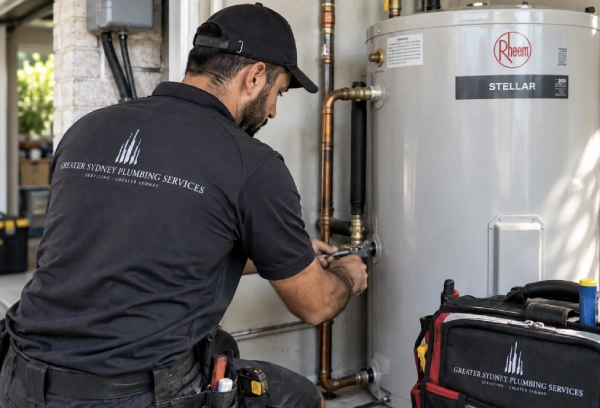
The first sign is usually easy to explain away. The shower runs warm instead of hot, the unit makes a strange sound, or a small drip appears near the base after years of working fine. By the time many people search for hot water plumber Sydney, the system has often moved from unreliable to close to failure.

Lukewarm Water Is Usually a Warning
A hot water system does not always fail all at once. Often, the first warning is a shower that starts hot but turns lukewarm too quickly. This can point to a worn component, sediment buildup, an undersized system, or a unit that is no longer keeping up with the household. The pattern matters more than one bad shower. If the water temperature changes often, the issue returns after resetting the unit, or different taps behave differently, the system needs proper attention rather than guesswork.
Leaks Around the Unit Should Not Be Ignored
A small leak near a hot water system can look harmless, especially if it only appears after the system heats. The problem is that water around valves, fittings or the tank base can signal pressure issues, worn seals or corrosion.
If water is coming from a valve or connection, a repair may be possible. If water is coming from the cylinder body or base, replacement may be more realistic. The earlier the leak is checked, the easier it is to separate a small repair from a failing system.
Choosing the Right System Depends on the Home
Hot water systems are not one-size-fits-all. A household with one bathroom, two people and light usage needs a very different setup from a family home with multiple showers, a laundry running often and heavy morning demand.
YourHome explains that hot water systems should be chosen to suit household size, climate and water use. It also notes that hot water can make up a significant part of household energy use, which is why system choice and efficiency matter. A system that is too small can create daily frustration. A system that is old, leaking or inefficient may cost more to keep alive than it is worth over time.
Noisy Systems Often Have a Reason
Rumbling, popping, hissing or knocking sounds are not just background noise. Storage systems can become noisy when sediment collects inside the tank. Valves can also make noise when pressure or flow is not behaving properly.
If a unit has become louder over time, it is worth checking before it reaches the point of leaking or shutting down. Noise by itself does not always mean the system must be replaced, but it is a useful clue that something has changed.
Cold Showers Are the Late Sign
A complete loss of hot water is often the moment people finally act. By then, the system may already have shown smaller clues, such as slow recovery, inconsistent temperature, visible rust, leaking valves or higher energy use.
If there is no hot water at all, avoid repeatedly resetting switches or trying to adjust gas components yourself. Electrical and gas-related hot water faults should be handled by appropriately licensed professionals because the risks are higher than a simple tap repair.
What to Notice Before Calling
The most useful details are simple: the system type, the age if known, whether the problem affects every tap, whether there is a leak, and whether the unit has been noisy or inconsistent before failing. These clues help separate a minor component fault from a system that may need replacement.
A Better Inspection Gives Clear Options
The goal is not just to get hot water back for one day. A good inspection should explain why the system failed, whether repair is sensible, and whether replacement would be more reliable. That is especially important when hot water systems Sydney homes rely on are older, exposed outdoors or already showing signs of corrosion. For homeowners, that explanation matters. It turns a stressful hot water problem into a clearer decision about repair, replacement or future maintenance.
The Early Clues Are Usually There
Hot water systems rarely fail without warning. They usually give small clues first: a shorter hot shower, a strange sound, a drip at the valve, a rusty mark, one day of lukewarm water, or a unit that struggles more than it used to. Catching those signs early
gives you a better chance of avoiding sudden cold showers, water damage and rushed decisions. A system that works again is useful, but a system that works because the real problem was found is the better result.