
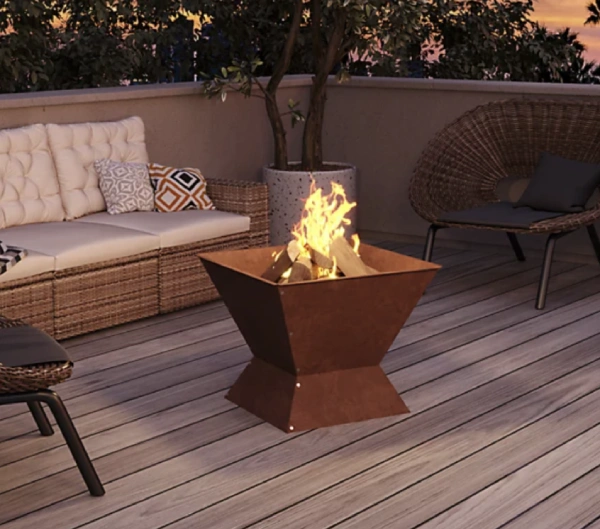
A fire pit is one of the easiest ways to turn a quiet corner of the garden into somewhere people actually want to spend an evening. You don’t need a sprawling lawn to enjoy one, either. Compact models of around 50cm in diameter give you the glow, the warmth and the sociable atmosphere in a package that suits a modest patio, a decked terrace or a small urban plot.

Why Choose a Small Fire Pit?
There are many reasons small fire pits are a good choice.
- They are suitable for small gardens. A 50 cm fire pit fits comfortably on a patio or terrace without taking too much space.
- They are easy to move around. Portable designs allow you to carry them from one place to another in the garden. Flat pack designs can also fold, making them easy to transport.
- They are quick to start and maintain. Small fires need less fuel, heat up quickly and are easier to control, making them ideal for a spur-of-the-moment evening.
- They are inexpensive. They are more affordable to buy and maintain.
- They are warm and cozy. Small fires provide a warm and cozy environment, perfect for conversation with a handful of friends or a quiet evening with family.
- They are versatile. The right accessories can turn a small pit into a heater, barbecue or a focal point in your garden.

Styles for All Spaces
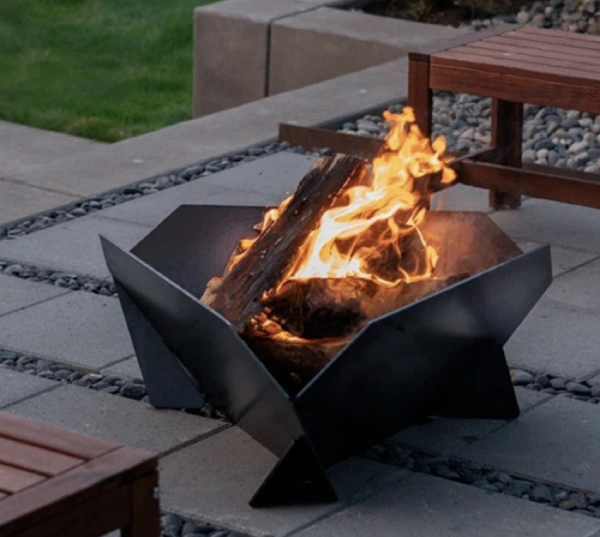
Fire pits come in a variety of shapes and designs. Round bowls are the most popular and traditional style. They emit heat evenly, suit different environments, and let everyone gather around without any uncomfortable spots. If you prefer a more modern small fire pit, square and cubic designs suit modern paving and minimalist planting. Drum-shaped pits are taller, more enclosed, look striking after dark, and can hold a fire well.
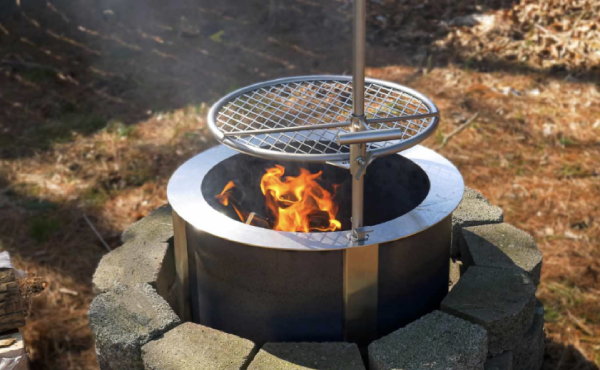
Some pits in the 50cm size range are designed with cooking in mind. They come with barbecue rack, a swing arm and tripod options, so they can double as outdoor grills. If you enjoy outdoor cooking, look for designs that have this possibility right from the beginning. Other models, such as flat-pack pits, are built to be portable and easily stored.
Think about how you will use the fire pit. A decorative bowl for occasional use or a pit you hope to cook on every weekend?
Selecting the Right Material
Materials affect the aesthetic appeal, longevity and weather resistance of fire pits.
- Steel is still the most popular choice for garden fire pits. It is strong, heats up quickly and can be found in various finishes. Mild steel develops a patina over time, which some people find attractive, but a protective coating can extend its life.
- Corten or weathering steel is designed to form a stable rust-like layer that protects the metal from the elements. The resulting warm, rustic look blends nicely with planting and natural stone.
- Stainless steel is corrosion-resistant and has a cleaner look for those who want a small portable fire pit with lower maintenance.
- Cast iron is heavy and holds heat beautifully, but it is difficult to move and can be more expensive.
Fuel Options
The two most popular fuel types for a fire pit are wood and charcoal. Hardwoods such as beech and oak burn without producing smoke and create plenty of heat. Unseasoned wood is not a good choice due to its high level of smoke. Charcoal creates even heat and is good for cooking food. Most of the time, people use both types of fuel: kindling and logs to create the fire, then letting the fire turn to embers for cooking.

Other options include gas and bioethanol fire pits, but they are generally a different category from traditional steel bowls. A gas pit offers instant, controllable flames with no ash or smoke, which suits tidy, contemporary gardens. Bioethanol fire pits are environmentally friendly but provide less heat. If you like the smell and the sound of burning wood, the traditional fire pit is your best choice.
Accessories Worth Considering
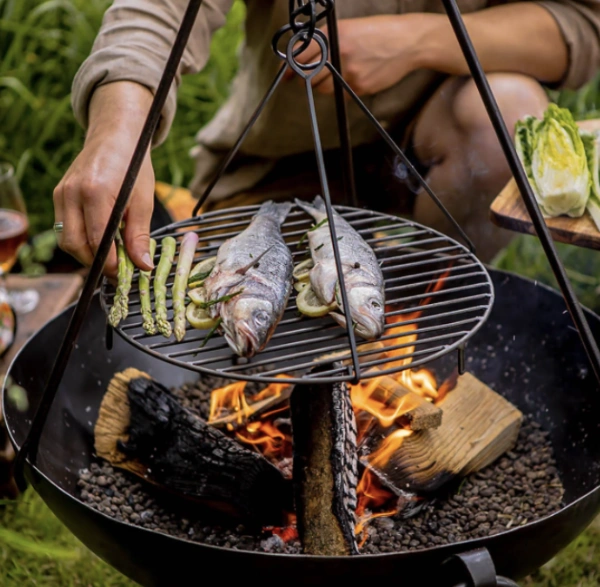
The right accessories can maximise your fire pit’s potential. Tongs and a poker are great for moving logs and controlling the flames. A kindling splitter is an indispensable tool that makes starting a fire easier if you choose larger-size logs. Fire starters like fire lighters, kindling sticks and matches make starting a fire much quicker, especially on rainy days.
For cooking, consider purchasing a BBQ rack, a swing arm or a tripod grill. Long-handled pans, pots and forks are handy for preparing meals like sausages or roasted marshmallows.
Use a lid to protect the fire pit from the rain when it is not in use. This helps prolong the life of your fire pit and keeps the ashes from getting wet. If the fire pit is located on the deck or lawn, consider using heat protection mats or bases. A log store keeps your fuel dry and within easy reach, and it looks smart beside the pit.
Safety and Placement
A couple of simple steps will guarantee that your fire pit is enjoyable and not a source of problems. Position it on a stable, non-flammable surface, well away from fences, sheds, overhanging branches and the house. Never leave your fire unsupervised, keep kids and pets at a safe distance, and keep water or sand nearby. Pay attention to the wind and dispose of ashes only after they have cooled down completely.
Making Your Decision
Choosing the right fire pit comes down to a few simple questions. How much space do you have? Do you want to cook on it or just enjoy the warmth? Do you prefer weathered steel or something more polished?
Once you have answered those, the decision becomes much easier. Focus on quality construction, pick the design that works best for your garden, and add the right accessories. A well-chosen small pit will bring years of warm evenings, good food and good company, proving that when it comes to garden fires, bigger isn’t always better.
