Some of the links on this website are affiliate links. This means that if you click through and make a purchase, we may earn a small commission at no extra cost to you. Your support helps us keep Style Your Sanctuary free, allowing us to continue sharing home inspiration, decorating advice, and helpful guides. Affiliate programs we work with include Amazon Associates, Awin and Partnerize.
Textiles are one of the most effective ways to add warmth, texture, and personality to a home. Unlike permanent renovations, fabric-based décor can be updated seasonally or whenever your style evolves. From woven throws to upholstered furniture, textiles influence both the appearance and comfort of a room.
A successful design balances texture, color, and functionality. Instead of treating fabrics as decorative accessories alone, use them to define spaces, soften hard surfaces, and create visual continuity throughout the home.
Layer Textures for Greater Depth
Rooms with multiple textile textures feel more inviting than spaces that rely on a single fabric type. Combining linen, cotton, wool, velvet, and woven materials creates contrast without introducing unnecessary visual clutter.
Accent pieces also provide opportunities for personalization. Decorative items featuring a printed embroidery patch can add custom details to throw pillows, wall hangings, fabric storage baskets, or decorative banners while maintaining a cohesive design theme.
When layering textiles, vary both texture and scale. Pair smooth fabrics with heavier woven materials, and balance large patterned pieces with solid-colored accents to prevent the room from feeling overly busy.
Transform the Living Room With Soft Furnishings
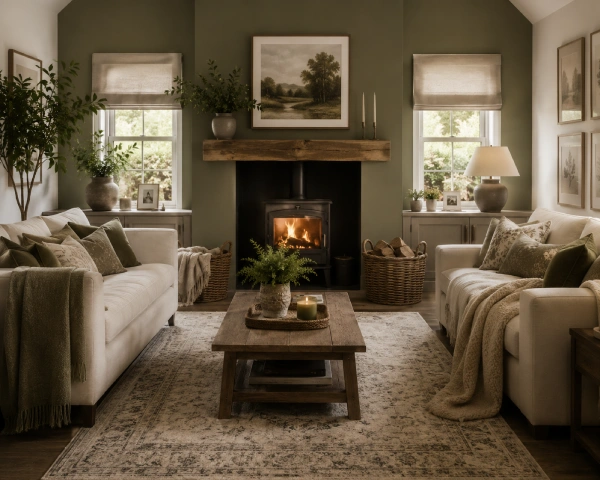
The living room often contains the largest collection of textiles in the home. Rugs, curtains, pillows, and upholstery should complement one another rather than compete for attention.
Choose a primary color palette and introduce secondary tones through smaller accessories. This creates visual consistency while allowing individual pieces to stand out.
Focus on these foundational textile elements:
- Area rugs that define seating arrangements
- Layered throw blankets for added texture
- Accent pillows in complementary fabrics
- Floor-length curtains that soften natural light
Mixing textures within a consistent color palette creates a sophisticated appearance without overwhelming the room.
Add Character to Bedrooms
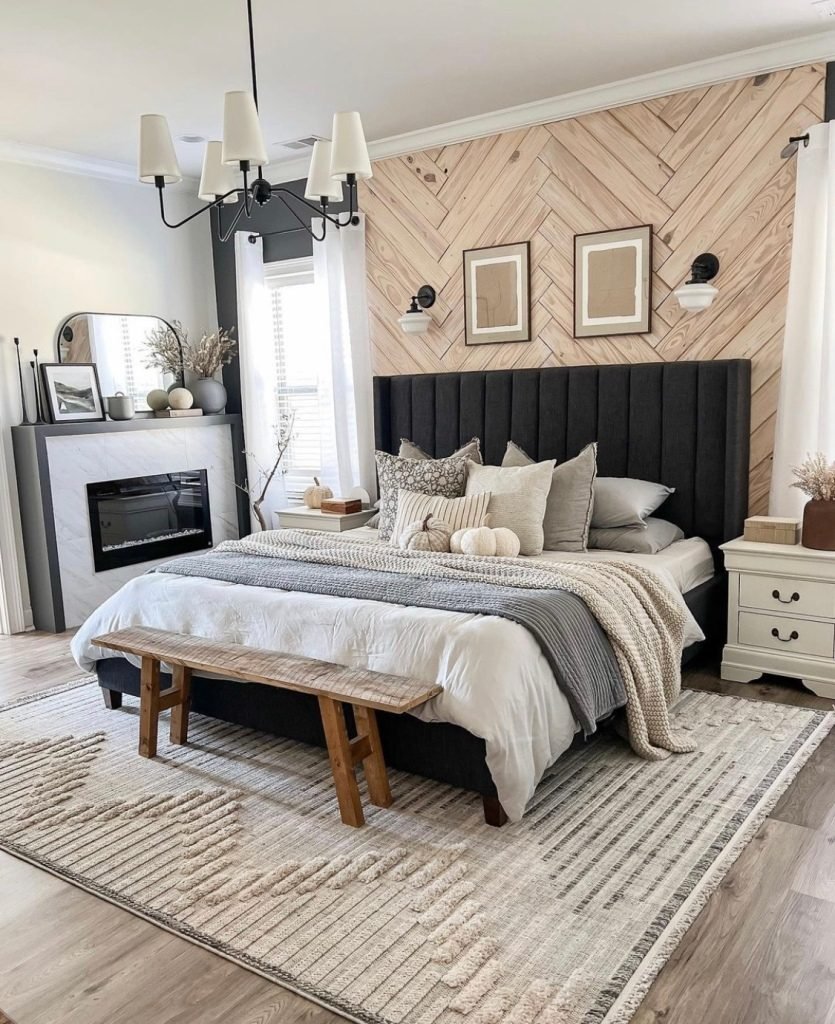
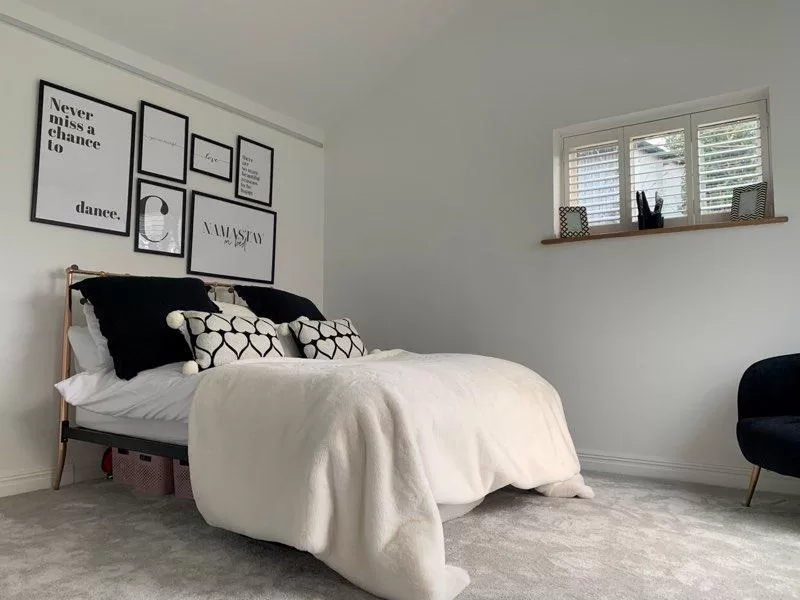
Bedrooms benefit from layered bedding that combines comfort with visual depth. Instead of relying on a single comforter, incorporate quilts, coverlets, textured blankets, and decorative pillows in coordinating fabrics.
Window treatments also influence the overall atmosphere. Blackout curtains improve sleep quality, while sheer panels soften natural daylight and create a more relaxed environment.
Natural fibers such as cotton and linen promote breathability and contribute to a timeless aesthetic that works across many interior styles.
Refresh Dining Areas With Fabric Details
Dining spaces often receive less attention when selecting textiles, yet they offer significant opportunities for design.
Table runners, upholstered dining chairs, seat cushions, and fabric napkins introduce softness while balancing hard surfaces such as wood, stone, and glass. Coordinating these elements with nearby living spaces strengthens visual flow throughout the home.
When choosing dining textiles, prioritize stain-resistant materials and washable fabrics that remain practical for everyday use.
Create Functional Entryways
Entryways set the tone for the rest of the home. Durable textiles help these high-traffic areas remain both attractive and functional.
Consider incorporating:
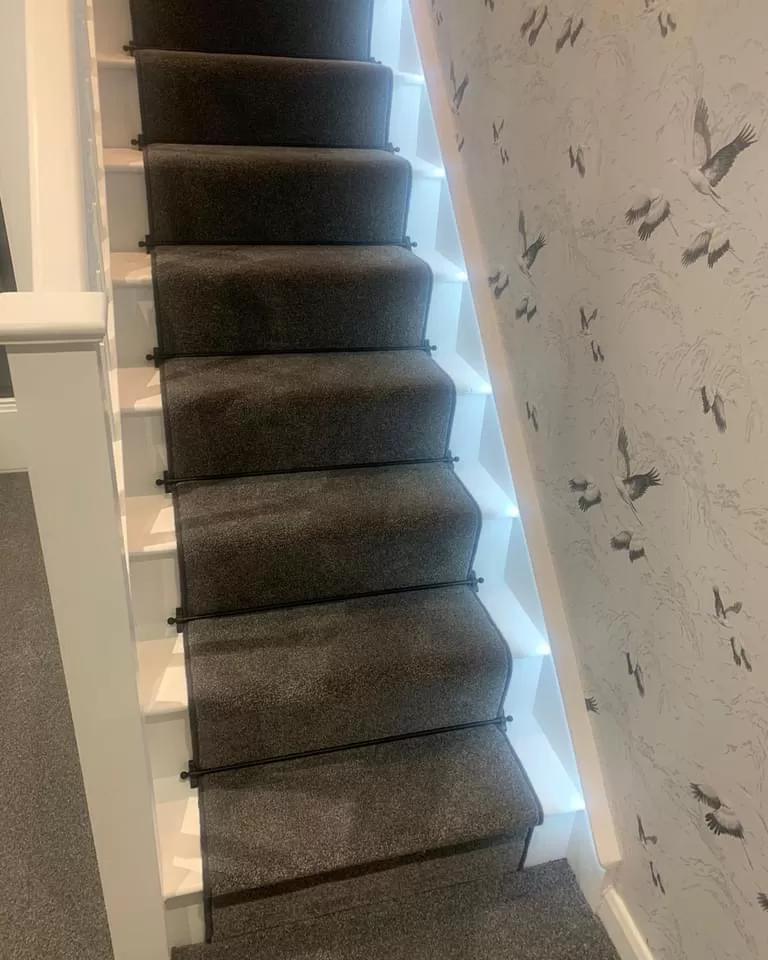
- Washable runner rugs
- Upholstered storage benches
- Fabric storage baskets
- Decorative wall organizers
These additions reduce clutter while introducing texture immediately upon entering the home.
Use Seasonal Textiles Strategically
Seasonal updates do not require replacing major furniture pieces. Swapping lighter fabrics for heavier materials can completely change the character of a room.
During warmer months, linen, cotton, and lightweight woven textiles create an airy appearance. In cooler seasons, wool, velvet, faux fur, and thicker knit fabrics provide additional warmth and visual richness.
Rotating smaller accessories also extends the life of decorative textiles by reducing continuous wear and exposure to sunlight.
Balance Color and Pattern
Patterns should complement the room rather than dominate it. If one textile features a bold print, surrounding fabrics should remain relatively simple.
Scale also matters. Large geometric designs pair well with smaller organic patterns, while neutral solids help connect contrasting prints.
Repeating one or two accent colors throughout rugs, curtains, pillows, and upholstered furniture creates cohesion without making the room feel repetitive.
Maintain Textile Quality
Even high-quality fabrics require regular care to preserve their appearance.
Vacuum upholstered furniture, rotate cushions to distribute wear evenly, and follow manufacturer cleaning recommendations for delicate materials. Protecting textiles from prolonged direct sunlight also reduces fading and helps maintain color consistency over time.
Routine maintenance keeps decorative fabrics looking fresh while extending their usable lifespan.
Conclusion
Textiles play a central role in creating comfortable and visually balanced interiors. Layered fabrics, coordinated colors, and thoughtful material choices add depth without requiring permanent design changes.
By combining practical soft furnishings with personalized decorative accents, homeowners can create rooms that feel warm, functional, and uniquely reflective of their individual style.