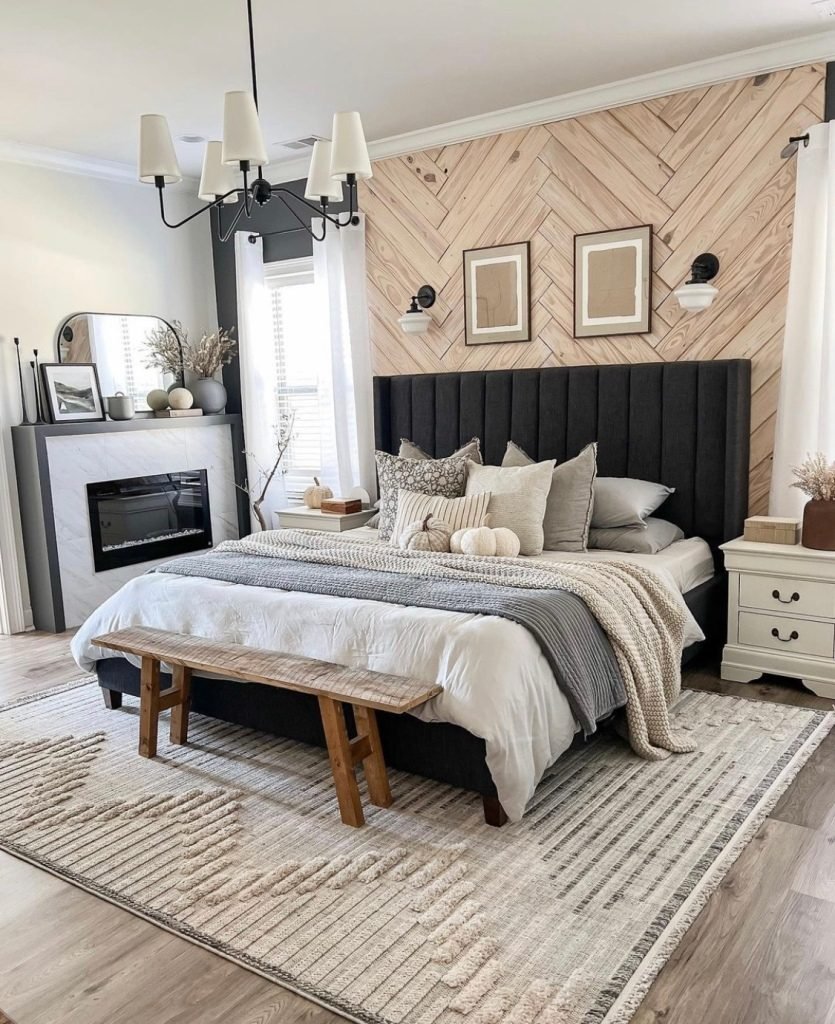
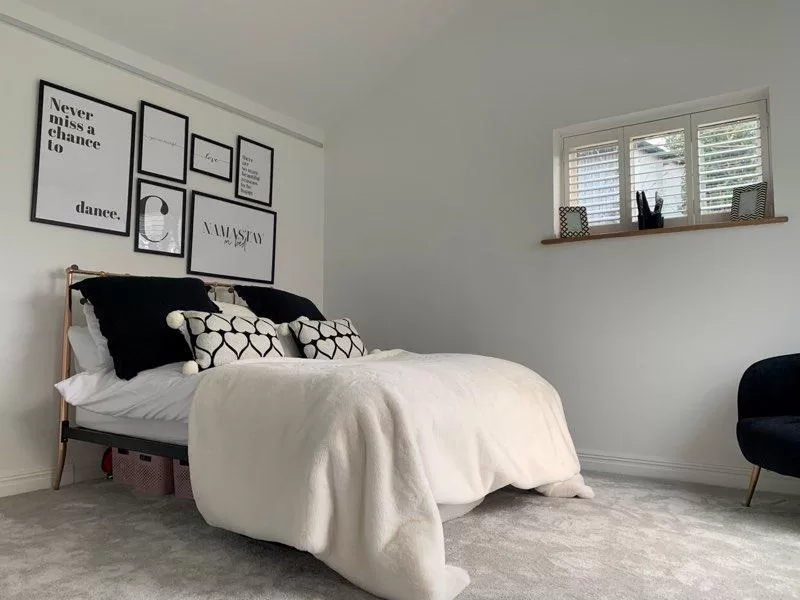
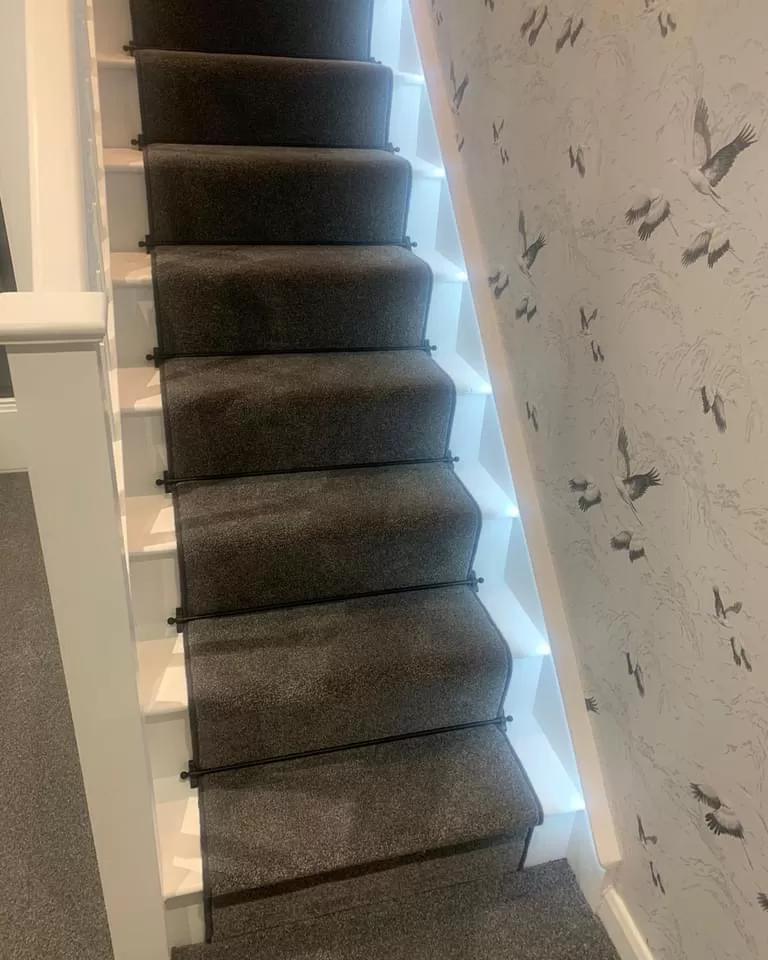
There’s a lovely moment when a mood board finally clicks. The sage green paint sample, the linen sofa, the rattan pendant, that particular rust-coloured cushion — you look at it and think, yes, that’s the room. You can feel it already.
Some of the links on this website are affiliate links. This means that if you click through and make a purchase, we may earn a small commission at no extra cost to you. Your support helps us keep Style Your Sanctuary free, allowing us to continue sharing home inspiration, decorating advice, and helpful guides. Affiliate programs we work with include Amazon Associates, Awin and Partnerize.
Then comes the slightly nervous bit. Because a mood board captures a feeling beautifully, and it says almost nothing about whether that sofa will fit, whether the rug is big enough, or whether the green that looks so soft on a swatch will turn moody and dark on a north-facing wall. A mood board shows the feeling. A render shows whether that feeling works in the room. They aren’t rivals at all — they simply belong to different stages of the same lovely process.
Why Mood Boards Are Still a Brilliant Starting Point
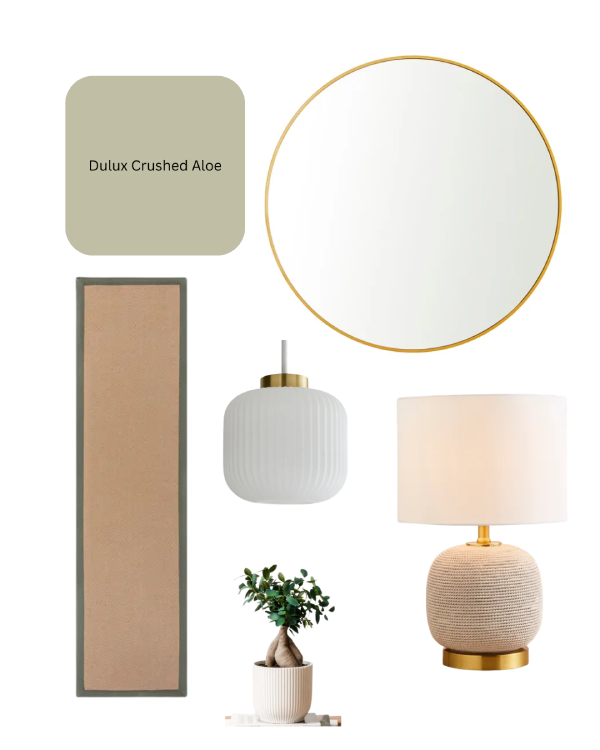
Let’s be clear from the outset: nothing replaces a mood board at the beginning of a project. It’s how a room finds its personality, and skipping it produces spaces that are technically fine and entirely characterless.
A board gathers everything that matters to the feeling — the colours, the textures, the furniture shapes you’re drawn to, the lighting, the rug, the paint direction, the artwork, the accessories, and the pattern language you want running through it. It gives you something to test new ideas against. When you spot a lamp you love, you can hold it up mentally against the board and know within seconds whether it belongs.

A mood board is brilliant for collecting colours, textures, furniture and lighting ideas, but interior rendering mood boards can help show how those separate choices might look together in one realistic room before anything is bought or installed. The board defines the direction. The render checks the destination.
Where a Mood Board Leaves Questions Unanswered
The honest limitation is scale. A collage pulls images from a dozen different sources — a sofa photographed in a large loft, a rug shot from above, a lamp on a white background — and none of them are at the same scale as each other, let alone as your room.
So the questions that linger tend to be practical ones. Will that sofa actually fit, and still leave room to walk past? Is the rug the right size, or will it look like a floating mat? Will the paint feel too dark once it’s on all four walls? Is the lamp the right height beside your existing armchair? Will the wallpaper feel joyful or overwhelming across a whole wall? Do the furniture pieces relate to each other in scale, or does one dominate? And will the room still feel calm once everything is in it together?
There’s also the awkward reality of the room itself — the radiator under the window, the socket in a slightly annoying place, the door that swings into the corner where you wanted the reading chair.
What an Interior Render Adds
A render takes the pieces from your board and assembles them into one room, at the right proportions, in your actual space. That’s the whole difference: you stop mentally stitching separate products together and simply look at the result.
It shows the layout and how the furniture sits within it. The scale and proportions of everything relative to everything else. The lighting, both daylight and evening. The wall colours across full walls. The flooring, the window treatments, and how the materials combine. Most usefully, it shows how the room feels — which is the thing you were chasing on the mood board in the first place, and the thing that’s hardest to predict from a collage.
Colour Palettes: From Swatch to Whole-Room Mood
Colour is where the gap between board and room opens widest, because paint is never just paint once daylight, flooring and furniture get involved.
A sage green that reads fresh and calm on a card can go grey-blue in a north-facing room, or almost yellow-toned against warm oak flooring. Terracotta can feel enveloping and gorgeous in a snug and overwhelming in a small hallway. Muted pastels can turn chalky under cool light. Even the whites behave differently — an almond white and a jasmine white look nearly identical on a swatch and read as two quite different rooms once they’re on the walls with your sofa in front of them.
Room size matters too. A deep, moody bedroom colour that feels luxurious in a generous space can make a small box room feel like a cupboard. Seeing the colour across the actual walls, with your flooring and furniture and at different times of day, answers the question the swatch never quite can.
Furniture Scale and Layout
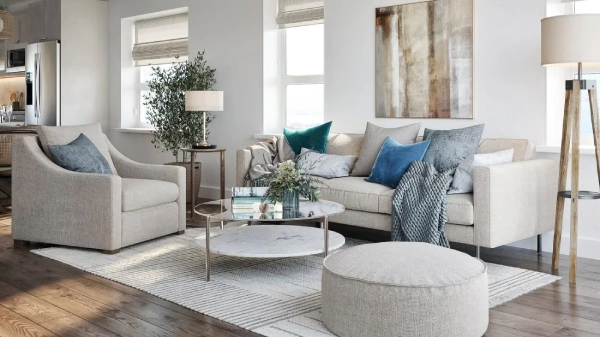
A beautiful shopping list is only useful if the pieces work together — and scale is where most decorating projects come unstuck.
The classic errors repeat everywhere. A sofa that fits dimensionally but swallows the room. A rug two sizes too small, leaving furniture stranded around its edges. A coffee table with no clearance to walk past. Bookshelves that fight the ceiling height. A dining table that seats six with nowhere to pull the chairs out. A bed positioned so that one side is permanently squeezed against a wall. Bedside tables that are either comically small or overwhelming beside the bed.
The same applies to the smaller schemes people love — a reading nook needs the chair, the lamp and the little side table in proportion to each other and to the corner they’re in. A home office needs the desk to work with the window and the natural light. A sofa that looks perfect on a board still has to fit through real walls, windows and walkways.
Lighting, Texture and Atmosphere
Atmosphere is the whole point of a sanctuary, and it’s built almost entirely from light and texture — two things a mood board hints at and cannot really demonstrate.
Think about how much your room depends on light. The daylight and where it falls. The evening layers: table lamps for a soft glow, a pendant over the dining table, wall lights for a warm wash, the temperature of the bulbs, and the shadows they cast. A room lit only from an overhead fitting will feel flat no matter how lovely the palette.
Then the textures that do the emotional work — wool and linen, velvet and rattan, timber and brass, and the way a mirror bounces light back into a darker corner. A render can show whether the combination lands as cosy, calm, bright, dramatic, or simply a bit flat, which is enormously reassuring before you order the lot.
Helping Everyone Agree on the Same Room
Here’s something that catches people out: two people looking at the same mood board are usually imagining two different rooms. You picture the sage green as soft and misty; your partner is picturing something far bolder. Both of you approve the board. Both of you are surprised later.
A visualization studio such as ArchiCGI can be useful when a designer or homeowner needs to turn sketches, product references and material ideas into a room image that is easier to review than a collage of separate items. If you’re working with a designer, decorator, contractor or carpenter, this matters even more — a shared image means everyone is discussing the same room rather than defending a private mental version of it. Disagreements surface early, which is exactly when they’re free to resolve.
When to Use Each
Reach for a mood board when you’re:
- Choosing the style direction
- Collecting inspiration
- Exploring colour palettes
- Comparing furniture options
- Building a shopping list
- Defining how you want the room to feel
Consider a render when:
- The layout genuinely matters
- Furniture scale is uncertain
- The project is expensive
- A client needs to approve the design
- Paint, wallpaper or flooring decisions feel risky
- Several people need to agree
- Renovation or installation work is about to begin
For a quick refresh with new cushions and a lamp, a board is plenty. For a full living room where you’re committing to a sofa, a rug, flooring and a feature wall, seeing it assembled first is worth the effort.
What a Render Cannot Replace
Worth saying plainly. A render doesn’t replace real paint samples on your own wall, or fabric swatches you can feel. It doesn’t replace accurate measurements, site checks, contractor advice, electrical planning or professional installation. It won’t check your budget or your suppliers’ lead times. And it certainly doesn’t replace your own judgement about what makes a home feel like yours.
A render should not replace your style; it should help you trust it.
Common Mistakes Moving From Board to Room
The recurring ones: too many accent colours all competing. Furniture too large for the space. A rug that’s too small. Paint that’s darker than expected. Lighting treated as an afterthought. Wallpaper that dominates rather than accents. Mixed metals thrown together without intention. Not enough storage planned in. Online furniture that arrives looking quite different in person. No thought given to ceiling height. Forgetting the sockets, radiators and door swings. And copying an inspiration image so literally that the room ends up belonging to someone else.
What to Prepare Before Creating a Render
Gather these before you start:
- Room dimensions and ceiling height
- Photos of the space as it is
- A floor plan if you have one
- Your mood board
- Paint references with actual shade names
- Links to the furniture you’re considering
- Rug size
- Lighting references
- Flooring choice
- Curtain or blind ideas
- Any furniture you’re keeping
- Your budget level and style notes
- What the render is for — your own decision, client approval, a shopping list, renovation planning or a contractor conversation
A mood board gives a room its personality, and nothing else does that job as well. An interior render simply checks whether that personality fits the space you actually have — the proportions, the light, the awkward radiator and all. The best rooms start with inspiration, but they also need scale. Put the two together and decorating stops feeling like a hopeful gamble and starts feeling like a proper, creative plan you can trust.