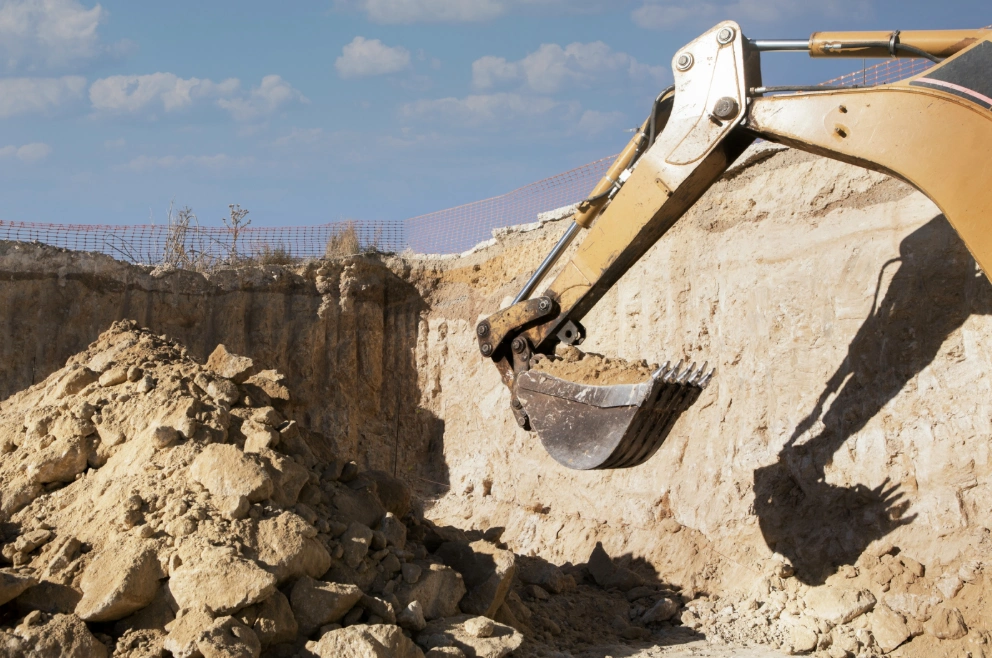
Proper backfilling after foundation excavation helps support the structure, protect foundation walls, manage drainage, and reduce problems caused by soil movement. Simply placing excavated material back around a foundation is not enough.
The soil must be selected, placed, and compacted appropriately for the conditions of the site. For projects handled by experienced excavation provider like InDepth Excavation, careful backfilling is an important part of completing foundation-related excavation work correctly.
Protects the Foundation
A foundation is designed to support the weight of a structure, but the surrounding soil also affects its long-term performance. Poorly placed backfill can create uneven pressure around foundation walls. Heavy equipment used too close to a wall can also create unnecessary stress.
Proper techniques help reduce these risks while allowing the soil to provide appropriate support around the completed foundation.
Helps Prevent Settlement
Soil that is loosely placed around a foundation can settle over time. As the soil compresses, the ground surface may sink and create low areas around the building. Settlement can contribute to drainage problems, uneven surfaces, and other concerns. Proper compaction helps reduce the amount of future movement.
Supports Drainage
Water management is one of the most important considerations when backfilling around a foundation.
Backfill materials and grading should work together to direct water away from the structure. Poor drainage can allow water to collect near foundation walls, increasing the risk of moisture intrusion and soil-related problems.
Reduces Pressure on Foundation Walls
Different soils behave differently when they become wet or compacted. Selecting appropriate backfill material can help control the pressure placed against foundation walls. Contractors should also consider the depth of the excavation, soil conditions, drainage requirements, and the type of foundation involved.
Protects Waterproofing and Drainage Systems
Foundation walls may have waterproofing membranes, drainage boards, insulation, or other systems installed before backfilling. Careless placement of soil, rocks, or construction debris can damage these materials. Backfill should therefore be placed in a way that protects the completed foundation systems.
Proper Compaction Matters
Backfill is often placed in layers rather than dumped into the excavation all at once. Each layer can then be compacted to the required level. The appropriate method depends on the soil type, site conditions, project requirements, and equipment being used.
Over compaction can also be problematic in certain situations, so the goal is controlled compaction rather than simply applying as much force as possible.
Choosing the Right Material
Excavated soil is not automatically suitable for backfilling. Material containing excessive organic matter, large debris, or unsuitable moisture conditions may not provide the desired performance.
Depending on the project, imported granular material or another approved fill may be required.
Timing the Work
Backfilling should occur after the foundation and any required waterproofing, drainage, inspections, and other work have been completed. Starting too early can cover components that still need inspection or access. Waiting too long can leave an excavation open unnecessarily, creating additional safety and weather-related concerns.
Key Takeaways
- Proper backfilling supports the area surrounding a foundation.
- Controlled compaction helps reduce future settlement.
- Suitable grading and materials can improve drainage.
- Poor backfilling can place unnecessary pressure on foundation walls.
- Waterproofing and drainage systems should be protected during the process.
- Not all excavated soil is appropriate for reuse as backfill.
- Proper timing helps ensure required foundation work and inspections are completed first.