A child’s bedroom is often where their imagination runs wild. It can be a castle one day, a space station the next, and a cozy hideaway when they need some quiet time. So, while parents may focus on choosing the right bed, storage, and wall color, the little details that reflect a child’s personality deserve attention too.

You do not need to spend a lot of money or plan a full room makeover. A few thoughtful changes can help turn a plain bedroom into a space your child feels happy to call their own. Here are seven ideas to get you started.
1. Let Your Child Help Choose the Colors
Color is one of the easiest ways to give a bedroom a personal touch. Some children love bright shades like yellow, blue, or pink, while others prefer softer colors or darker tones.
Rather than choosing everything yourself, ask your child which colors they like. You could let them pick an accent wall, choose a new duvet cover, or decide on the color of their curtains. If they love several shades, use one as the main color and bring in the others through smaller items.

This also makes it easier to update the room later. A colorful cushion or blanket is much simpler to replace than a whole painted wall when your child’s taste changes.
2. Create a Wall That Shows Off Their Interests
A bedroom wall can tell a little story about the person who sleeps there. It might show a love of animals, sports, space, music, or favorite characters.
You could create a small gallery wall with framed pictures, drawings, posters, and photos. For a child who loves art, leave room for their own paintings and craft projects. If they enjoy sports, a few team photos or framed shirts could make the space feel more personal. Try using easy-to-change frames or picture clips instead of sticking everything directly to the wall. That way, your child can swap things around whenever they have a new favorite.
3. Display Favorite Toys as Part of the Decor
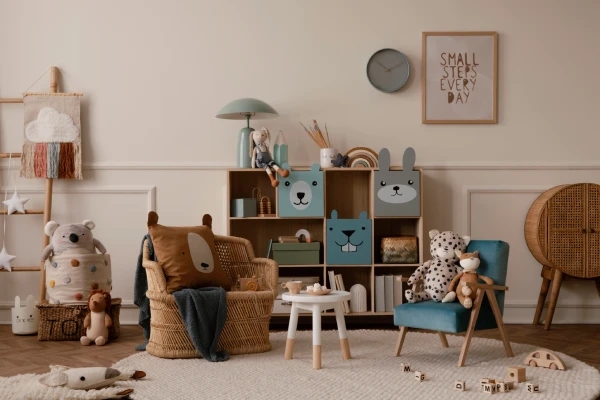
Children often have toys they love too much to hide away in a storage box. Some of these can become lovely bedroom decorations when you give them a proper place.
A low shelf, bedside table, or small bookcase can hold a few favorite pieces. For example, a Jellycat Bashful Beige Bunny sitting beside a stack of bedtime books can add a soft, playful touch to a reading corner. Other character toys can bring color and personality to a shelf without taking up much room. The trick is to choose a few special toys rather than display everything at once. This keeps the room from looking crowded and gives each favorite item its own place.

4. Set Up a Cozy Reading or Quiet Corner
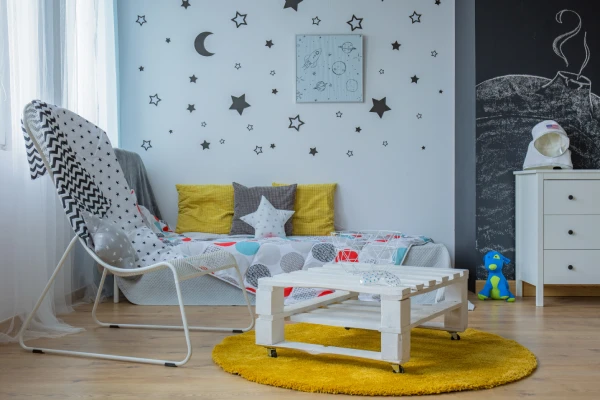
Every child can benefit from having a little spot where they can read, draw, or simply take a break. It does not have to be a separate room or a large play area. A survey by the Children’s Commissioner for Wales found that 90% of children who responded chose their bedroom as a place where they relax or play.
A floor cushion, beanbag, or small chair can work well in an unused corner. Add a soft blanket, a reading lamp, and a basket of books within easy reach. You could also place a favorite stuffed animal nearby to make the spot feel more inviting.
Let your child help choose the books and cushions. Even a small corner can feel special when they have a hand in putting it together.
5. Personalize the Bed With Bedding and Cushions
The bed usually takes up the most space in a child’s bedroom, so changing its look can make the whole room feel different. Bedding is also a simple way to bring in your child’s favorite colors, patterns, or themes. You could choose a duvet cover with stars, animals, flowers, or a simple pattern that matches the rest of the room. Add two or three cushions in different shapes or textures to make the bed feel cozy.
If your child loves changing things often, keep the main bedding fairly simple and use cushions or a throw blanket for their current interests. This gives them room to try new looks without replacing everything.
6. Make Storage Part of the Room’s Style
Storage may not sound like the most exciting part of decorating, but it can make a bedroom look much better. When toys, books, and clothes have a place to go, your child has more room to play and enjoy the space.
Try using baskets, colorful boxes, open shelves, or labeled bins. You can even let your child decorate plain storage boxes with stickers or paint. This gives them a chance to add their own style while learning where things belong.
Keep everyday items on lower shelves so your child can reach them without help. Place less-used toys and seasonal items higher up to save space.
7. Adding Handmade Touches and Personal Keepsakes
Some of the most meaningful bedroom decorations are things that cannot be bought in a store. A drawing from a friend, a handmade gift, a family photo, or a souvenir from a favorite trip can make a room feel more personal.
Give your child a small display area for these items. A pinboard, memory box, or narrow shelf can work well. You could also frame a special drawing or hang a few photos from a string of clips.
As your child grows, their interests and favorite memories will change. Leave a little room for new additions rather than trying to make the display perfect from the start.
Creating a Room Your Child Loves
Making a child’s bedroom feel personal does not require a big makeover or a lot of money. Simple touches such as favorite colors, toys, photos, cushions, and handmade decorations can make the room feel more like their own.
Involve your child in the choices and let them add new things as their interests change. The goal is to create a room where they feel comfortable, happy, and free to be themselves.
Explore kids bedroom mood board schemes below!
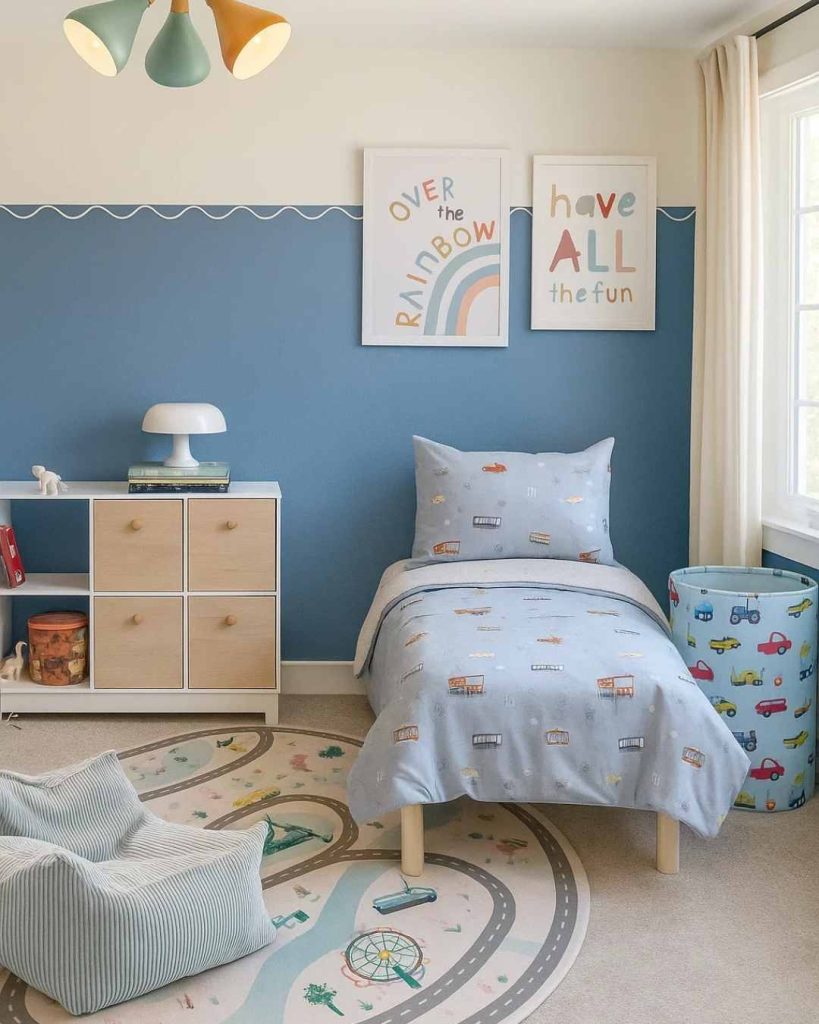
Farrow & Ball Cook’s Blue Toddler Bedroom
Some of the links on this website are affiliate links. This means that if you…