
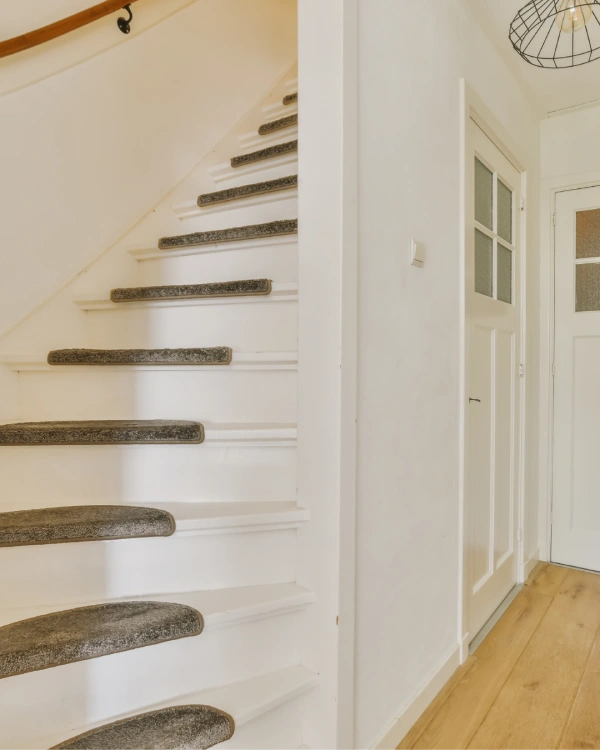
Ever paused halfway down your own staircase because your foot didn’t quite grip the way you expected? That split-second moment of uncertainty is more common than most homeowners realize, and it’s often the first sign that a staircase needs attention. Stairs are one of the most frequently used parts of any home, yet they rarely get a second thought until something goes wrong.

That’s exactly why anti-slip stair treads have become such a practical, widely recommended upgrade. Rather than waiting for a fall to highlight a hazard that was there all along, more homeowners are choosing to address stair safety proactively, adding a simple layer of traction that protects everyone in the household without requiring a costly renovation or major disruption to daily life.
Why Stair Safety Deserves More Attention
Stairs tend to blend into the background of everyday life, which is exactly what makes them easy to overlook as a safety concern. Most people only start paying attention once a slip, stumble, or near-fall makes the risk impossible to ignore.
- Slippery Surfaces Increase Everyday Risks: Smooth wood, worn tile, and flattened carpet fibers all reduce the traction underfoot, even when a staircase looks perfectly normal. Because this loss of grip happens gradually, most homeowners don’t notice the risk building until a slip actually occurs.
- Weather Conditions Can Affect Outdoor Stair Safety: Rain, snow, and morning dew can make outdoor steps significantly more hazardous than they appear at first glance. Even a small amount of moisture can turn a routine trip outside into a genuine safety risk.
- High-Traffic Areas Experience Faster Surface Wear: Stairs used multiple times a day wear down more quickly, losing texture and traction faster than less-used areas of the home. This accelerated wear means high-traffic staircases often need safety upgrades sooner than homeowners expect.
- Poor Traction Can Be a Concern for Different Age Groups: Young children still building coordination and older adults with balance concerns are both especially vulnerable to slippery stairs. A single staircase can pose very different levels of risk depending on who in the household is using it.
Falls become a greater concern with age, and the CDC reports that more than 1 in 4 older adults experience a fall each year. As stairways are frequently used areas of the home, improving traction and reducing environmental hazards can be an important part of creating safer living spaces.
Recognizing these everyday risk factors is the first step toward treating stair safety as a priority rather than an afterthought.
How Anti-Slip Stair Treads Improve Everyday Safety
Anti-slip stair treads work by adding a textured, grip-friendly surface directly to each step, addressing the exact problem that makes stairs risky in the first place. Rather than replacing flooring or undertaking a larger renovation, treads offer a targeted fix that homeowners can implement quickly. Here’s a closer look at how this simple upgrade makes a meaningful difference.
1. Immediate Traction Improvement
The moment anti-slip treads are installed, each step gains a noticeably firmer grip underfoot compared to the original surface. This immediate improvement is one of the biggest advantages over other safety measures that take longer to implement or require ongoing maintenance. Homeowners typically notice the difference the very first time they use the stairs after installation.
2. Consistent Protection in All Conditions
Unlike bare wood or worn carpet, textured treads maintain their grip whether the stairs are dry, damp, or exposed to everyday dust and debris. This consistency matters most in entryways or outdoor stairs, where conditions can change from one hour to the next. Reliable traction regardless of conditions is exactly what makes treads such a dependable long-term solution.
3. Simple Installation Without Major Renovation
Most anti-slip treads can be applied directly to existing stairs without any specialized tools or professional installation. This straightforward process means homeowners can address a safety concern in an afternoon rather than scheduling a larger renovation project. The simplicity of installation is a major reason this upgrade has become so widely adopted.
4. Durable, Long-Lasting Safety Coverage
Quality anti-slip treads are built to withstand daily foot traffic without peeling, fading, or losing their texture over time. This durability means the safety benefit isn’t a temporary fix but a lasting improvement that continues protecting the household for years. Choosing a well-made product upfront helps avoid the need for frequent replacement down the line.
5. A Practical Upgrade for Every Type of Household
Whether a home includes young children, older adults, pets, or simply a lot of daily foot traffic, anti-slip treads offer a benefit that applies across every situation. This versatility makes them a sensible upgrade regardless of who specifically lives in or visits the home. Few safety improvements offer this level of broad, practical benefit for such a modest investment.
Homeowners looking for a practical way to improve stair safety can explore options to buy anti slip treads that can be placed on stairs, especially when they want to improve traction without replacing the entire staircase.
For homeowners comparing different stair safety solutions, GripStrip offers anti-slip tread products designed around dependable grip and long-term use. Its focus on durable materials and secure application makes it suitable for areas where consistent traction matters, helping create a safer walking surface without requiring major structural changes to the stairs.
Where Anti-Slip Stair Treads Can Be Useful Around a Property
While most people think of anti-slip treads primarily for indoor staircases, their usefulness extends well beyond that single application. Entryways, porches, and outdoor steps leading to a driveway or garden are all common areas where slippery conditions frequently develop, especially during wetter months of the year.
Rental properties, basement stairs, and even garage steps are other areas where this upgrade tends to make a noticeable difference. Considering every staircase on a property, not just the most obvious one, helps ensure that safety improvements are applied everywhere they’re actually needed.
Conclusion
Stair safety is one of those home improvements that’s easy to postpone until an accident makes it unavoidable and impossible to ignore any longer. Anti-slip stair treads offer a simple, affordable way to address that risk before it becomes a real problem, providing reliable traction across a wide range of conditions, surfaces, and household needs. For homeowners looking to make a meaningful safety upgrade without committing to a major renovation, this remains one of the most practical places to start, regardless of the size or age of the home.