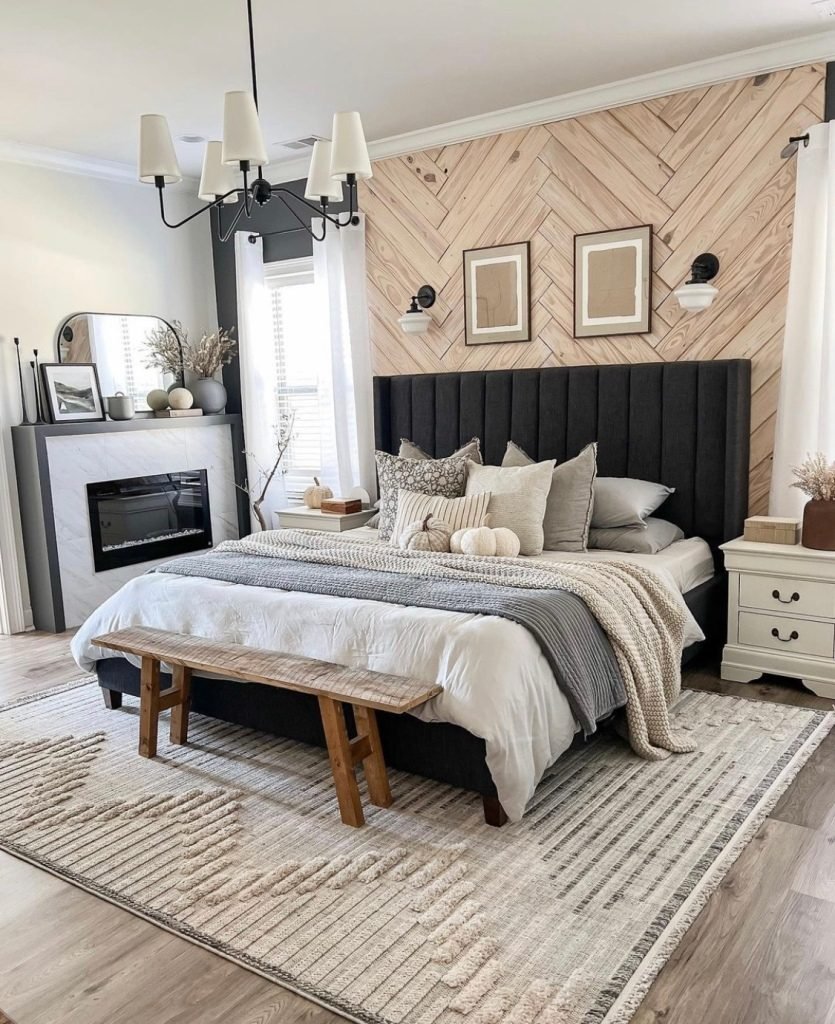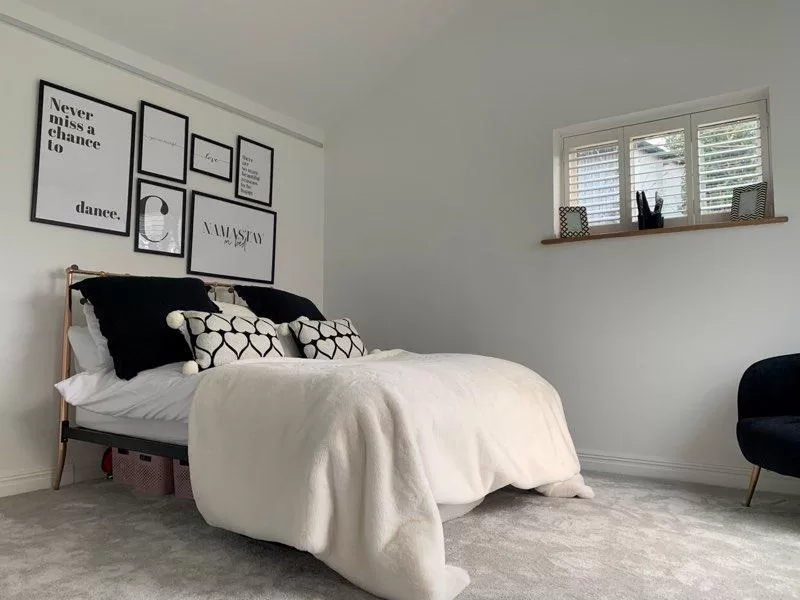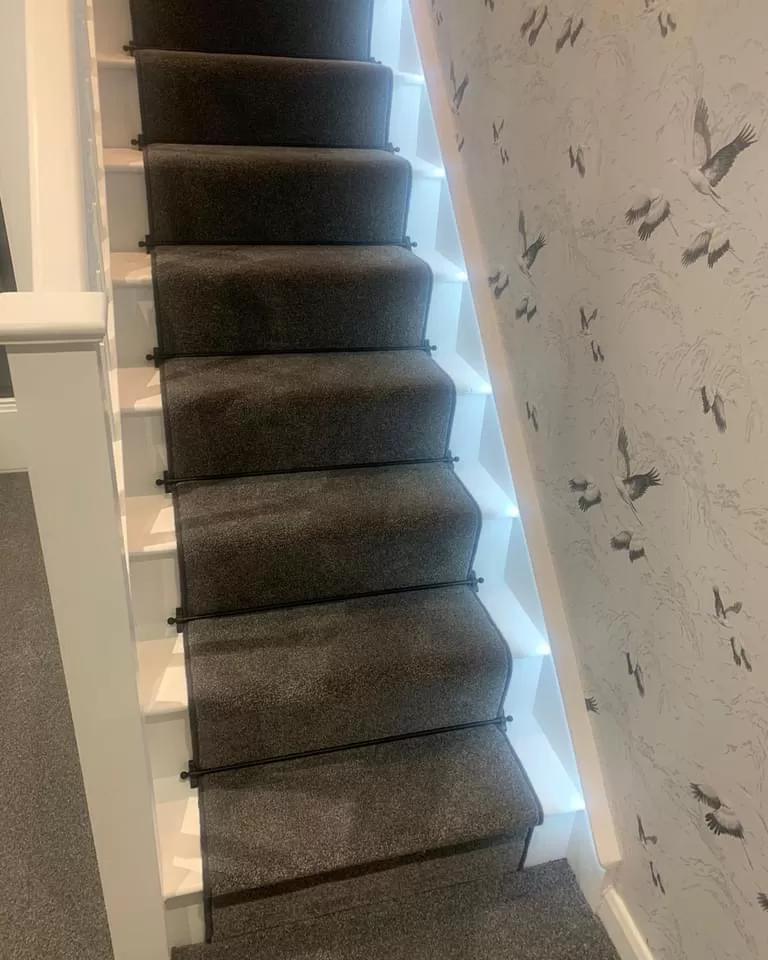
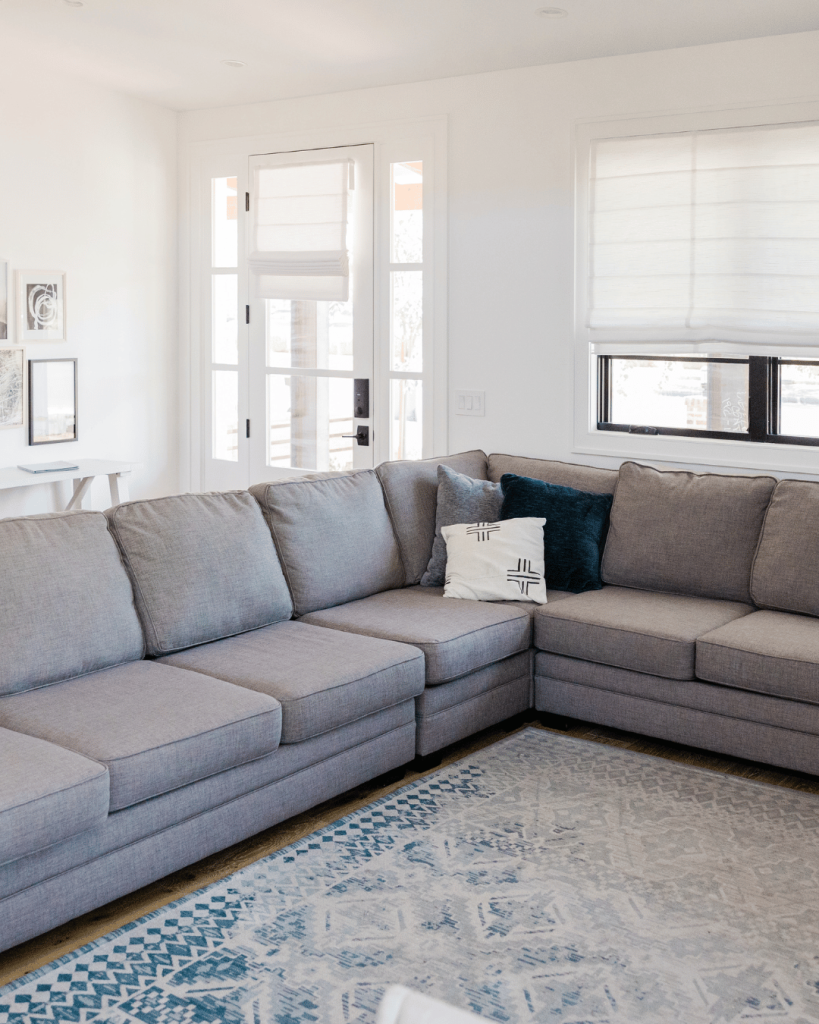
There’s a particular sinking feeling that comes with a delivery. The sofa you fell for arrives, and within about ten seconds you know. Too big. Or too dark. Or somehow far more formal than it looked online, sitting there being wrong in a room you’d pictured so clearly. The piece itself is beautiful — that was never in question. It just doesn’t belong here. Choosing furniture well turns out to be less about finding lovely things than about finding lovely things that suit this particular room, its light, and the way you actually live in it.

Start with the mood you want the room to create
Before you look at a single piece, decide how the room should feel. That sounds vague, I know, but it’s the decision everything else hangs off.
Are you after calm — a space that quiets you the second you walk in? Cosy, the sort of room that asks for a blanket and a slow evening? Bright and airy? Elegant, maybe a touch formal? Eclectic and layered, full of things with stories behind them? Minimal? Traditional and comfortable? Playful?
Name it and the shopping gets dramatically easier. Say you’ve landed on cosy: now you’re looking at softer forms and warmer woods, and textiles you actually want to touch. Aiming for calm instead pushes you somewhere quite different — cleaner lines, fewer colours, more empty space around each thing. Without that anchor, you’ll gather a set of individually lovely pieces that never quite agree on what kind of room they’re supposed to be making.
Think about scale before style
Scale is where most furniture regret actually starts. Whether a room feels balanced or crowded comes down to proportion long before it comes down to taste, and good taste won’t rescue something that’s simply too big for the space.
So get the tape measure out before you fall for anything. The sofa’s width has to work against its wall, and its depth against however much floor you can genuinely spare. A dining table needs enough room behind it for chairs to slide back without knocking into a radiator. Low windows can make a tall bed frame look strange. And in a narrow hallway, cabinet depth decides whether people have to turn sideways to get past.
Visual weight matters just as much as the actual measurements. Two sideboards of identical dimensions can occupy wildly different amounts of a room’s attention — a chunky dark-wood one dominates, while a slim version raised on legs almost disappears.
For furniture brands and retailers, 3d rendering furniture can help show sofas, chairs, beds, cabinets, tables, and storage pieces in realistic interiors, making it easier for shoppers to judge scale, material, colour, and room mood before buying. So when you’re browsing, hunt down those room-context images instead of judging from a white-background shot. And where a listing hasn’t got any, chalk the outline onto your floor and live around it for a day.
Choose pieces that work with what you already own
Hardly anyone decorates from an empty room. Whatever you buy is joining a conversation that’s been going on for years.
Take a proper look at the backdrop first. What’s the wall colour doing to the light in there? Then the flooring — a new wood piece will either complement that tone or quietly fight it, and it’s worth working out which before you order. Cast an eye over everything else that’s already earned its place: the rug, whatever’s at the windows, the pictures, the lamps.
Repetition is the principle that pulls it all together. Pick up a material or a tone that already lives somewhere in the space, and the new arrival slots in as though it had always been there.
Old and new mix beautifully so long as there’s a thread running through. Put a modern chair next to an inherited chest of drawers and it reads as deliberate when the wood tones are having a conversation, or when a colour from one turns up again somewhere close by. Take that thread away and the same two pieces just look like they arrived by accident.
Use materials and texture to shape the feeling
Two sofas, same shape, same colour, can feel like completely different objects depending on what they’re wrapped in. Material carries as much of a room’s mood as form does.
Velvet is the dramatic one — it has depth, and it shifts as you move around it, catching the light in a way flat fabrics never do. Something like linen sits at the other end entirely: relaxed, a bit crumpled, ideal in rooms you don’t want feeling precious. With wood, the tone does the talking. Pale oak keeps everything light and vaguely Scandinavian, whereas walnut brings richness and pulls a room down into something more grounded. Metal adds contrast and a little edge. Rattan is casual and sunny. Leather has real structure, and it only improves as it ages. Bouclé and its textured cousins are the cosy option, tactile and soft, and they photograph so well it’s almost unfair.
Layer two or three rather than committing to one throughout. Fill a room with hard surfaces and it turns cold; fill it entirely with soft textiles and it loses all its shape.
Let one piece lead, but not dominate
Every good room has something the eye finds first. That focal point gives the space its structure and most of its personality — provided everything else agrees to hang back.
Pick your lead deliberately. It might be a bold sofa in a colour you genuinely love. A vintage dining table with proper character. A sculptural chair that’s halfway to being an artwork. A distinctive cabinet, or an oversized mirror that lifts the whole room.
Then let the rest step back. Where the sofa is the statement, keep the coffee table and side pieces quiet. If a dramatic sideboard is doing the leading, resist putting an equally loud rug underneath it. A room with three or four pieces competing for attention doesn’t read as more interesting — it just reads as busy, with nowhere for the eye to settle.
Match the furniture to how the room is used
A piece can be right in every aesthetic sense and still be wrong, simply because it doesn’t fit what actually happens in that room.
Take living rooms. They’re for talking and for collapsing at the end of a day, so seating wants to face inward and be comfortable across hours rather than minutes. A bedroom has a different job — rest — which usually points toward quieter colours and enough storage that clutter never gets a foothold. And in a home office the chair has to survive a full working day, whatever it looks like doing it. Dining rooms come down to hosting, so count the seats you’ll realistically need. Hallways carry the first impression and have to work unreasonably hard on storage. Children’s rooms want flexibility above all, since the requirements change every eighteen months. Out in a garden room or on a patio, the materials have to cope with whatever the weather does.
The trick throughout is being honest about your ordinary Tuesday rather than the version of life you’re aspiring to. Do that and the choices narrow helpfully.
Build a simple mood board before buying
Gathering everything into one place is the cheapest way there is to catch a mismatch before it costs you money.
Nothing elaborate needed. Collect the product images you’re weighing up, plus a paint colour, a swatch or two of fabric, a photo of your flooring, whatever you’re thinking for the rug and the lighting, any artwork in the plan, and — this one matters most — photos of the furniture already sitting in that room. Then get it all in one place, whether that’s an album on your phone, a pinboard, or a page you’ve printed out.
A minute looking at it side by side will tell you what an hour of imagining never could: whether those wood tones are getting along, whether the bold cushion works over that rug, whether the whole collection reads as one coherent room. Two minutes of faff that regularly heads off a very expensive return.
Common mistakes to avoid
The repeat offenders are worth naming. Buying without measuring causes more grief than everything else combined. Ordering a full matching set before you’ve had time to live with the room. Overlooking how much natural light a space actually gets, which matters enormously with dark colours. Settling on a colour without holding it up against what’s already there. Choosing a statement piece so big it swamps everything around it. Forgetting storage entirely and then losing the room to clutter within a month. Chasing a trend at the expense of comfort. And picking materials your household’s real life will destroy inside a year.
Final thoughts
Furniture ought to make a home feel more like yours — calmer, warmer, easier to be in. Start with the mood, sort the scale next, and only then work out how a piece will sit alongside what you already own and what really goes on in that room. Follow it in that order and something shifts: the room stops feeling like a pile of separate purchases and starts becoming the sanctuary you had in mind the whole time.