Some of the links on this website are affiliate links. This means that if you click through and make a purchase, we may earn a small commission at no extra cost to you. Your support helps us keep Style Your Sanctuary free, allowing us to continue sharing home inspiration, decorating advice, and helpful guides. Affiliate programs we work with include Amazon Associates, Awin and Partnerize.
The real estate industry has taken a sharp turn lately. The biggest and most expensive cities are not leading the race of attracting buyers anymore. Instead, it’s the mid-size metro cities and quiet suburb areas that stand on top of buyers’ priority list. People are preferring good schools, more convenient commutes, and homes that don’t eat up their entire wallet.
What’s The Scenario Around?
Thanks to remote and hybrid work settings, families are now experiencing more freedom to leave the expensive hubs. Eventually the national price growth has slowed down, with some sources saying it’s close to a 0% national growth. While it sounds discouraging at first, you need to realize what it actually means.
This national number is actually the average of different local stories. Some of the cities are cooling down really fast, while many others are still attracting new residents constantly. The most interesting opportunities lie between the gap of two. All you need to do is find out where families are relocating in numbers, in addition to just browsing listings.
Top 5 Emerging Housing Markets Driven by High Inflow of Relocating Families

Here are 5 markets you need to consider which are showcasing a steady inflow of relocating families:
- Raleigh, North Carolina
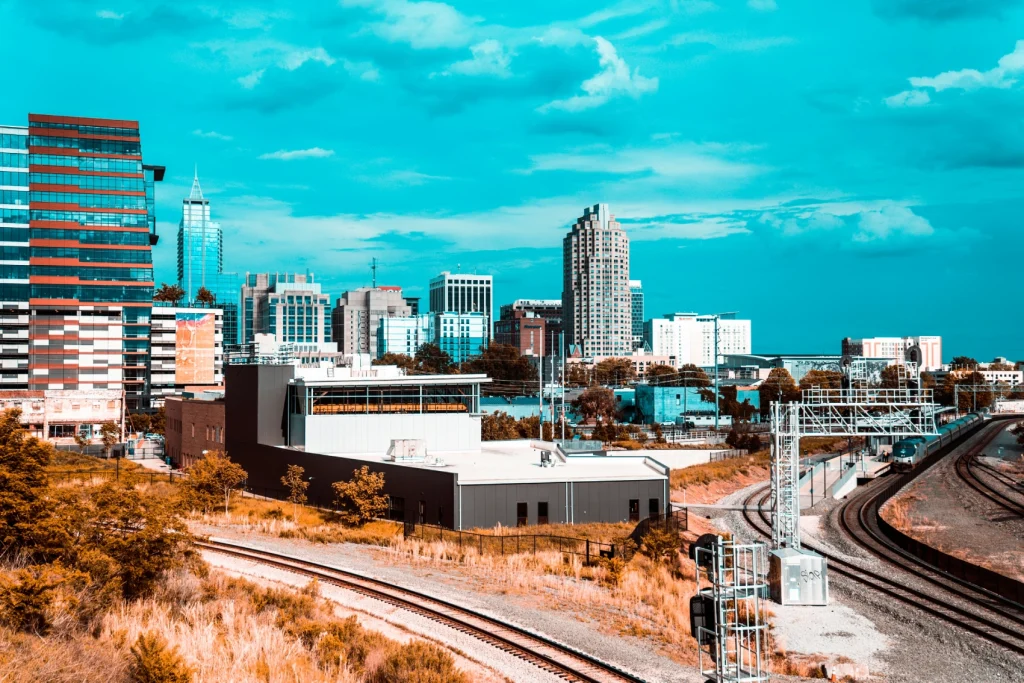
The median home value in Raleigh is currently around $435k, which shows a 2% increase over the last year. The best thing about this city is the job market. Raleigh has steady employment opportunities in biotech, tech, and research sectors. Despite such opportunities, it does not showcase extreme housing costs like Seattle or Austin.
Families relocating in Raleigh mainly get attracted by the combination of great career opportunities and breathable mortgage payment. This is something that truly matters for families who have a tight budget but still don’t want to sacrifice the dream of a good standard of living.
- Huntsville, Alabama
With a reputation for defence work and aerospace, Huntsville is often called the “Rocket City”. This city has a unique strength that many of the rapidly growing cities don’t have: that it stays affordable while adding jobs for the residents.
The median sale price here is right above $350k, which shows a 2.1% year-over-year increase. Most families that relocate here come from Seattle, Washington D.C., and Birmingham. The metro prices being reasonable, above 60% buyers stick to the metros after relocating here. Overall, it’s a great place to raise kids while managing a tech-sector standard income.
- Erie, Colorado
Erie, sitting right between Boulder and Denver, appears to be a hot cake for people who opt for a Front Range access but can’t afford a front range price. The median sale price has gone up by more than 7.5% over the last year, and currently it is right below $760k. Most of the people relocating here come from Chicago, Washington D.C., and San Francisco.
Around 78% of people relocating to Erie prefer to settle down once they get here. It says a lot about how livable the place feels for the families. The best part is Erie real estate listings come with different options from different price points, making it easy to find ones in your budget and preference.
- Greenville, South Carolina
Greenville has silently reached an amazing milestone in 2025: that its metro area passed a million of residents. The median home sale price here is right above $522k, and homes stay in the market for around 62 days on an average. Buyers mostly come here from New York, Charlotte, and Atlanta.
People come to Atlanta being attracted to the small downtown vibe, walkable neighborhoods, and an irresistible access to the beautiful mountains. Around 74% of relocators decide to stay within the city, which proves the existence of long-term satisfaction among the people.
- Dallas-Fort Worth, Texas
In Dallas-Fort Worth, growth is mainly taking place on the outer edges instead of the urban centre. The median home price in the metro is right above $400k, which is slightly lower than last year. However, the main action is taking place around Denton, Rockwall, Collin, and Parker counties, where suburbs are growing fast.
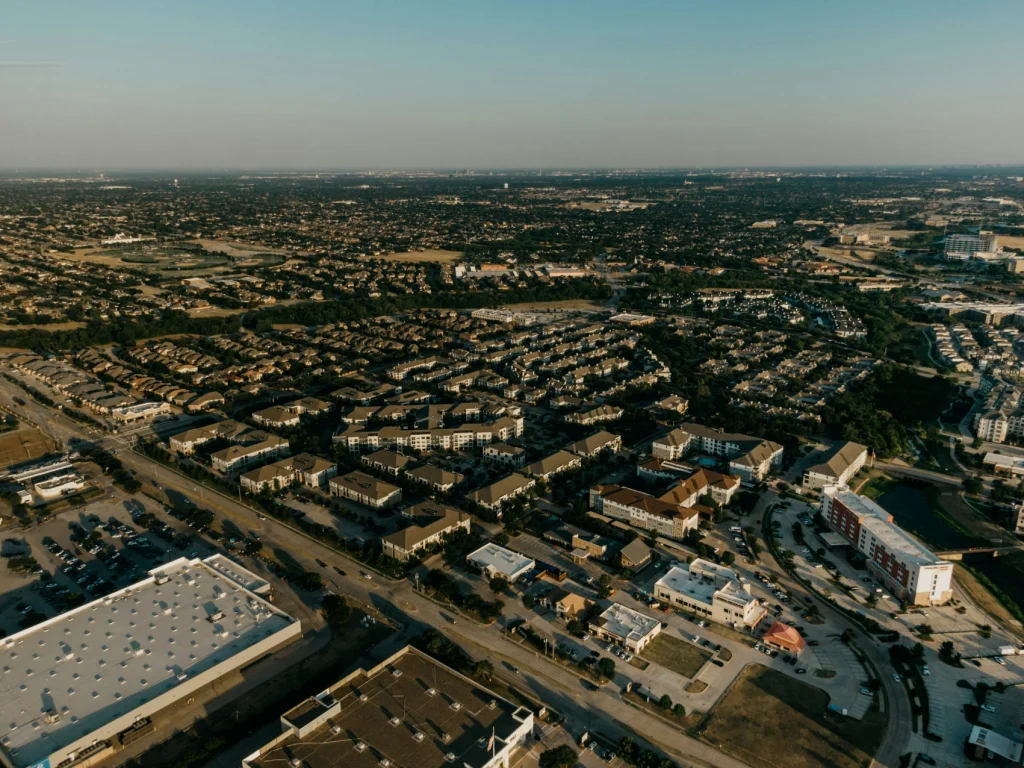
These classic family relocation towns have new sub-divisions, new schools, and an abundance of inventory. Dallas-Fort Worth is also ranked second nation-wide in terms of total home sales volume. This means the demand is broad and not concentrated to a few neighborhoods only.
Final Words
We can see a consistent pattern across the five markets above. We notice that the families are not crazy for cheap homes anymore, instead they are choosing the balance of affordability, employment access, and space to grow. None of the names above are the most talked about names in the real estate scenario, but they are silently picking up people who have been priced out of the bigger markets.
At the same time, it’s also surprising how the markets above differ from one another. Eerie is taking advantage of Denver’s overflow. Huntsville and Raleigh are powered by steady and resilient job sectors. Greenville is booming thanks to the south-east shift toward medium-sized cities. And the story behind Dallas-Fort Worth’s growth is hidden behind the growth of its suburbs and exurbs than the metro itself.
If you are thinking about a move to any of these places above, you should start by getting familiar with the neighborhood’s listings, price history, and days on market figures. Relying on broad national averages would not help you to get a good idea of the whole scenario.