
Water flows into your home every day, and most people never stop to think about what’s traveling through those pipes. It looks clear and comes out of the tap on command, which is usually enough proof for most homeowners. Looks alone can be misleading when it comes to water quality.
Some of the links on this website are affiliate links. This means that if you click through and make a purchase, we may earn a small commission at no extra cost to you. Your support helps us keep Style Your Sanctuary free, allowing us to continue sharing home inspiration, decorating advice, and helpful guides. Affiliate programs we work with include Amazon Associates, Awin and Partnerize.
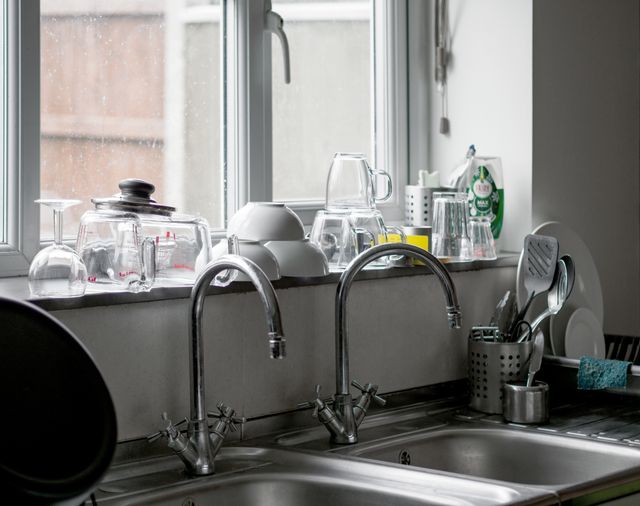
This guide walks through why questioning your water makes sense, what signs point to a problem, and how you can get real answers instead of guesses.
Why Clear Water Doesn’t Mean Clean Water
Many contaminants have no color, taste, or smell. Lead, for example, can sit in water at unsafe levels without changing how it looks or tastes at all. Bacteria, certain chemicals, and dissolved minerals often go unnoticed the same way.

Older homes with aging pipe systems face a higher chance of metal leaching into the water supply over time. Even newer construction isn’t automatically safe, since municipal supply lines and local infrastructure play a role too.
Instead of relying on assumptions about water quality, homeowners can use ETR Labs to get a clearer picture through professional testing. A lab result gives you facts instead of guesswork, which matters when the health of your household is on the line.
Signs Your Water Might Need a Closer Look
Some clues show up before a full test ever happens. Paying attention to these early signals can save you from bigger headaches down the road.
- A metallic or bitter taste when you drink straight from the tap
- Staining around sinks, tubs, or on laundry after washing
- Low water pressure that develops gradually over months
- Cloudy or discolored water right after turning on the faucet
- A rotten egg smell, which often points to sulfur bacteria
If two or more of these show up at once, it’s worth digging further rather than brushing it off as normal wear.
Older Homes Carry Their Own Risks
Homes built before the 1980s frequently used lead pipes, lead solder, or galvanized steel lines that corrode with age. If you own or plan to buy a property from that era, the plumbing history deserves attention before anything else.
Galvanized pipes rust from the inside out, and that rust can flake into your water supply for years before a visible leak ever appears.
Renovation work can also disturb old pipe material, releasing particles that weren’t moving through the system before. A quick check before and after major plumbing work helps confirm nothing changed for the worse.
Common Contaminants
| Contaminant | Common Source | Health Concern |
| Lead | Old pipes, solder | Nervous system harm, developmental issues |
| Bacteria (E. coli, coliform) | Well contamination, cracked lines | Digestive illness |
| Nitrates | Fertilizer runoff, septic systems | Risky for infants |
| Chlorine byproducts | Municipal treatment | Long-term exposure concerns |
| Hard minerals | Natural groundwater | Pipe buildup, appliance wear |
Seeing the sources laid out side by side makes it easier to connect symptoms in your home to what might be causing them.
What a Water Test Covers
A standard home water test typically checks for bacteria, lead, pH balance, hardness, and a handful of common chemical contaminants. Some labs offer expanded panels that screen for pesticides, arsenic, or industrial runoff depending on where you live.
Well owners generally need broader testing than city water users, since private wells don’t go through the same regulated treatment process. Municipal supplies get treated and monitored on a schedule, while a private well depends entirely on the owner to catch problems early.
Quick Checks: Test your water once a year if you’re on a private well, and every two to three years if you’re on a municipal supply, unless a visible change prompts an earlier check.
Results usually arrive within a few days to a couple of weeks, depending on how detailed the panel is.
Steps to Take After You Get Results
Once results come back, the next move depends on what shows up.
- Compare your readings against EPA safety thresholds for each contaminant listed.
- Call a licensed plumber if pipe corrosion or lead is suspected.
- Install a certified filtration system matched to your specific contaminant.
- Retest after any repairs to confirm the fix worked.
Skipping the retest step is common, yet it’s the part that confirms whether the problem is genuinely gone.
Buying or Selling a Home? Don’t Skip This
Water quality rarely makes it onto a standard home inspection checklist, which means buyers often move in without any real data on what’s flowing through the walls.
Sellers who test ahead of time and share the results build trust with buyers and avoid last-minute negotiation surprises. Buyers who request a water test before closing protect themselves from inheriting a plumbing issue that wasn’t disclosed. It’s a small step that can prevent a much larger cost after the sale is final.
Making Peace With What’s in Your Pipes
Trusting your water blindly or doubting it constantly both leave you stuck without real answers. Testing replaces guessing with facts, giving you a starting point for decisions about filtration, repairs, or simply peace of mind.
Whether you’ve lived in your home for twenty years or just picked up the keys last week, knowing what’s actually flowing through your pipes puts you back in control of your household’s health.
