Some of the links on this website are affiliate links. This means that if you click through and make a purchase, we may earn a small commission at no extra cost to you. Your support helps us keep Style Your Sanctuary free, allowing us to continue sharing home inspiration, decorating advice, and helpful guides. Affiliate programs we work with include Amazon Associates, Awin and Partnerize.
Some rooms need colour. Others need pattern. But quite often, what makes a space feel finished is something quieter: texture.
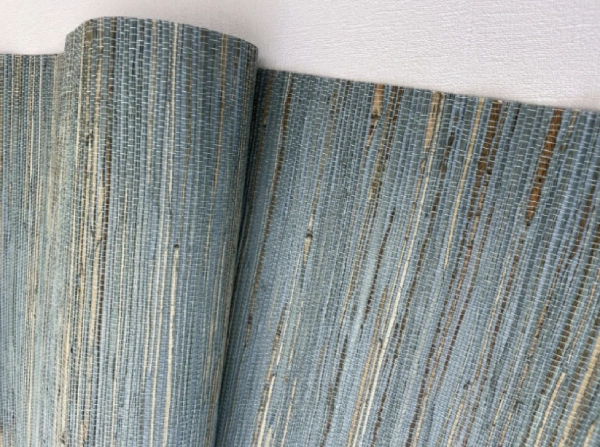
That is one of the reasons California Wallpaper has seen such enduring interest in natural grasscloth wallpaper. Through years of supplying these materials and seeing them installed in real residential interiors, the team at California-Wallpaper.com has learned that their appeal goes well beyond appearance. Sisal, raffia, hemp and other plant fibres add movement without visual noise, warmth without necessarily adding colour and enough natural variation to make a room feel less manufactured.
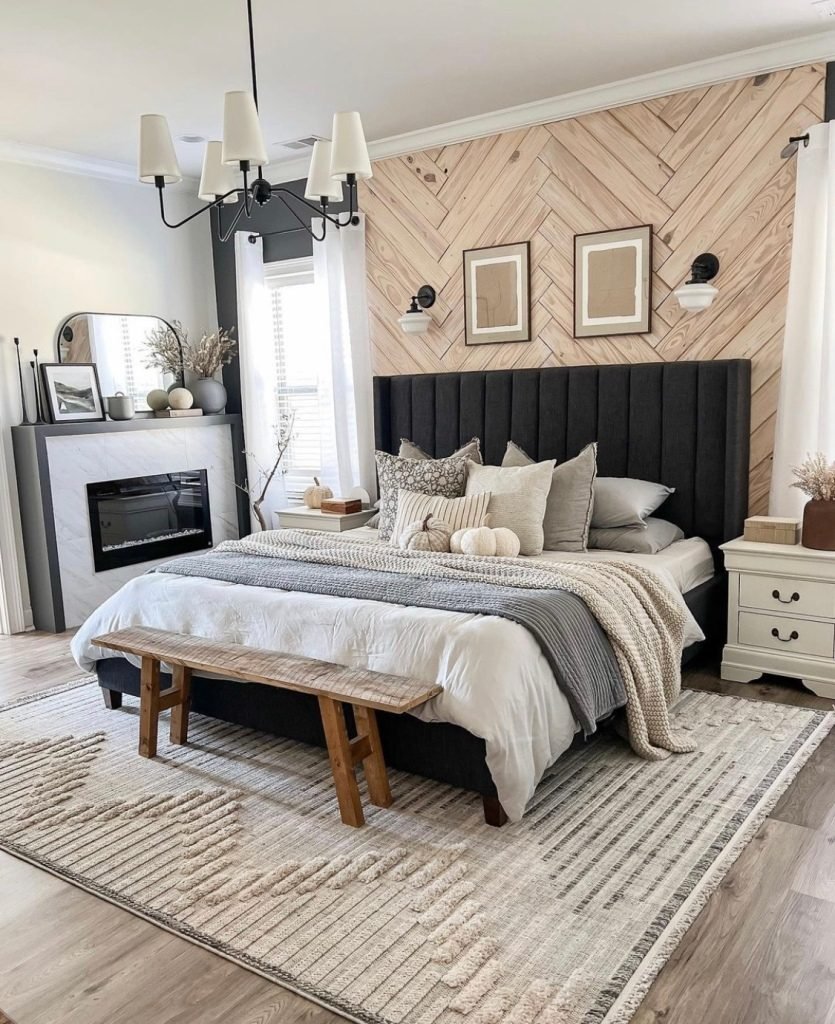
The effect is especially compelling in interiors built around comfort and restraint. A woven wall can sit comfortably beside timber, linen, stone, plaster and soft upholstery because all of these materials have something in common: they reveal their texture rather than hiding it.
Choose the Room Before You Choose the Material
Instead of beginning with a particular design, it often makes more sense to ask what the room is supposed to feel like.

A bedroom may benefit from something soft and quiet. A dining room can carry a richer, more structured texture. A home office might need enough detail to avoid feeling sterile without adding a distracting pattern. A living room can often handle a more expressive fibre because furniture and artwork help balance the wall.
This is where different natural materials begin to separate themselves from one another. Raffia tends to feel relaxed and organic because the fibres are more visible and irregular. Fine sisal can appear much more tailored, especially in neutral colours. Hemp often creates a grounded, matte surface that works easily with wood and stone.
There is no single version of “the grasscloth look.” The fibre, colour and weave can completely change its personality. California Wallpaper’s experience with these materials has shown that selecting the right surface is much closer to choosing stone, wood or upholstery than simply picking a wallpaper pattern.
A Neutral Wall Does Not Have to Be a Flat Wall
Neutral interiors are sometimes criticized for feeling empty or repetitive, but the issue is often not the lack of colour. It is the lack of variation between surfaces.
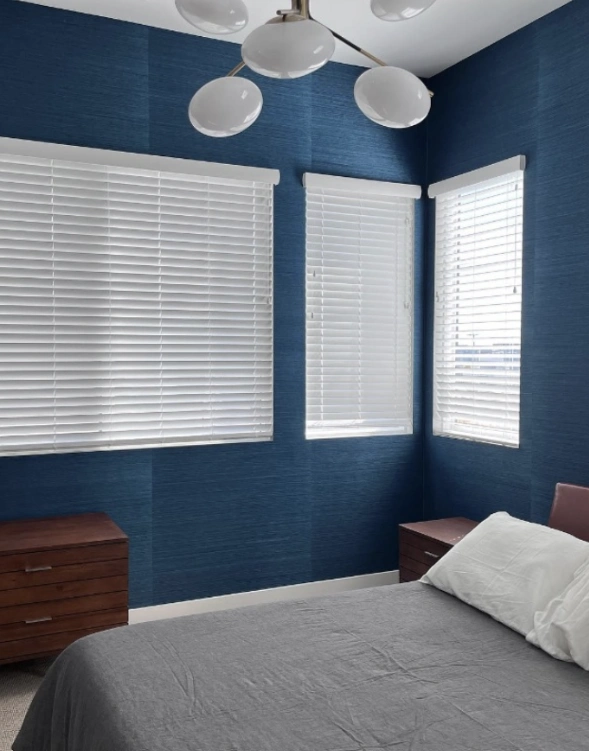
If the walls are smooth, the cabinetry is smooth and much of the furniture is smooth, adding another beige paint may not solve the problem. A woven surface changes the equation by creating thousands of tiny shifts in light and shadow. From across the room, the wall may still read as calm and monochromatic, while closer inspection reveals considerable depth.
This is why grasscloth wallpaper can work so well in rooms where the palette is intentionally restrained. Cream, taupe, warm grey, sand and deeper earthy tones gain complexity without requiring another strong visual element. The wall itself can provide enough detail that other parts of the room become simpler.
here Is More Than One Way to Bring Nature Onto a Wall
Natural wallcoverings do not stop with woven fibres.
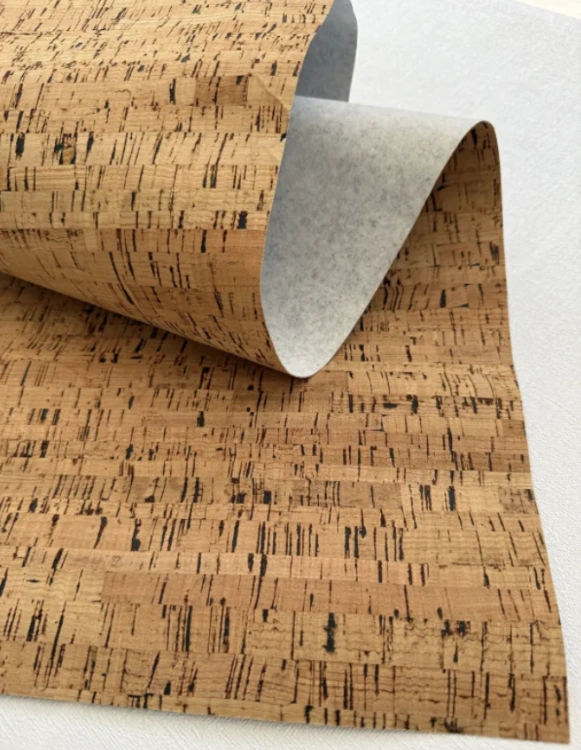
Cork offers a very different type of texture. Technically, it is not grasscloth at all. It is made from thin sections of bark from the cork oak tree, and its irregular markings create an almost architectural surface.
California Wallpaper has also refined an approach to printing directly onto cork wallcoverings. Rather than printing an artificial cork effect onto smooth paper, the artwork is applied over the real bark. This is an area where the company’s experience with both the material and the finished installation has shaped how the product is developed.
The result changes depending on viewing distance. From across the room, the printed composition may dominate. As you move closer, variations in the natural bark emerge through the artwork and become part of the design rather than something hidden beneath it.
For homeowners who like authentic texture but want something more decorative than an unprinted weave, printed cork sits somewhere between mural, wallpaper and natural architectural finish.
Before Ordering the Room, Order the Sample
Natural fibres are among the materials that benefit most from being seen in person.
Online photographs are useful for understanding colour and overall style, but they flatten many of the characteristics that make these surfaces interesting. A screen cannot properly reproduce the sheen of fine sisal, the uneven texture of raffia or the way cork responds to directional light.
A physical sample allows those qualities to be evaluated inside the actual room. Place it beside flooring and main furniture rather than looking at it in isolation. Move it from one wall to another, then look at it during daylight and again after the room lighting is switched on.
The same material can appear noticeably different under warm evening light than it does beside a bright window in the morning. Fine fibres may become more reflective, while rougher surfaces can produce deeper shadows. This is one of the reasons California-Wallpaper.com encourages evaluating real material rather than making a decision from photography alone.
A sample cannot reproduce every variation that will appear across a complete installation, but it provides the most important thing: the actual material interacting with your home.
The Finished Grasscloth Wall Will Never Look Exactly Like the Sample
That difference is part of what makes natural fibres interesting.
A sample represents a small area. Once several full panels cover a room, slight differences in fibre density, direction and colour become more visible. The wall begins to develop its own rhythm.
One of the questions California Wallpaper’s installation team deals with most often is the distinction between this natural variation and a genuine installation problem. Professionals commonly describe normal changes between panels as paneling or shading. Someone accustomed to perfectly repeating wallpaper can initially interpret those differences as uneven colour or visible seams.
A properly installed wall should still have clean joins. There should not be large gaps, damaged fibres, loose edges or obvious adhesive marks. But two lengths of genuine natural material do not need to appear mechanically identical.
The comparison with real timber is useful. Nobody expects every oak board in a floor to contain exactly the same grain. Grasscloth wallpaper deserves the same understanding.
Installation Is Part of the Final Look
Much of what California Wallpaper has learned about natural wallcoverings has come not from sample books, but from seeing what happens when those materials meet real walls, corners, lighting conditions and architectural details.
Small irregularities that disappear beneath paint can become more noticeable beneath a woven covering, particularly when strong side lighting moves across the surface. The substrate therefore needs to be stable and properly prepared before installation begins.
Dark fibres require additional thought. A charcoal, graphite or navy wallcovering can create a striking room, but a bright surface underneath may make tiny openings appear much more dramatic because of the contrast.
Layout matters as well. Because natural panels have subtle variations, where each width begins and ends becomes part of the visual composition. On an important wall, seams may need to be planned around architectural elements, furniture, windows or the centre of the room rather than simply beginning at one edge.
This is where experienced installation becomes particularly valuable. The skill is not only in hanging the material, but in deciding where to begin, how to handle corners and when a visible difference is something to correct or simply part of the fibre itself. Overworking natural surfaces in an attempt to make them perfectly uniform can sometimes create a more obvious problem than the one being corrected.
Think About How the Room Is Actually Used
Natural materials respond to their surroundings, so the lifestyle of the room matters.
Bedrooms, living rooms, dining rooms, libraries and offices are generally comfortable environments for woven wallcoverings because temperature and moisture remain relatively stable. Bathrooms require more judgement. A ventilated powder room is very different from a heavily used bathroom producing steam every morning.
California Wallpaper encountered this distinction directly on a project beside an indoor sauna. Visually, the natural wallcovering worked beautifully with the timber and spa-like character of the room. In practice, repeated humidity made the location less suitable for the material over the long term.
Experiences like this are important because they show that choosing a natural wallcovering is not simply an aesthetic decision. The most successful installations match the material to the conditions in which it will actually live.
The same thinking applies to kitchens, strong sunlight and homes with pets. A textured wall in a dining room faces very different conditions from one beside a heavily used cooking surface. A household with a cat that likes to scratch woven materials may also need to think differently about placement.
Let the Wall Support the Rest of the Room
Natural texture works particularly well when it does not have to compete with everything else.
If the wall already contains an expressive raffia weave, furniture and upholstery can remain relatively simple. Fine sisal can act almost like a textile backdrop for artwork, mirrors and lighting. Darker hemp can provide enough contrast for pale furniture without requiring a bold printed pattern.
One useful approach is to repeat materials rather than colours. A woven wall can relate naturally to linen curtains, cork can sit comfortably beside timber furniture and sisal can echo the texture of a rug without matching it exactly.
The intention is not to create a room where every object looks overtly “natural.” A few authentic materials relating to one another usually create a more convincing result than filling the room with multiple decorative themes.
Keep a Little of the Wall for Later
Once the room is finished, one practical step can make a substantial difference years later: keep some of the unused material.
Natural fibres and cork can vary between production runs. Even if the same design remains available, material ordered several years later may not match the original wall perfectly.
California Wallpaper’s installation experience has shown the value of keeping a spare roll or several full-height lengths from the original project. If a panel is damaged later, matching material gives the installer far more options and may allow a localized repair instead of disturbing a much larger section of the room.
For a finish intended to remain in place for years, it is a small precaution worth taking.
A Wall That Does Not Need to Pretend
The appeal of grasscloth wallpaper ultimately comes down to something simple: it does not have to imitate natural texture because the texture is already there.
That principle sits at the centre of California Wallpaper’s approach to the category. Years of working with raffia, sisal, hemp, cork and other specialty materials have reinforced the same lesson repeatedly: the best results come from understanding natural variation rather than trying to eliminate it.
Raffia can remain expressive, sisal can respond to light in its own way and cork can retain the markings of real bark. The role of good design and installation is to control the elements that should be controlled while allowing the material itself to remain visible.
In interiors increasingly filled with surfaces engineered to look perfectly consistent, genuine variation has its own kind of sophistication. Grasscloth does more than add another decoration to a room. It gives the wall a material quality that changes subtly as you live with it, which is often what makes a home feel less manufactured and more complete.