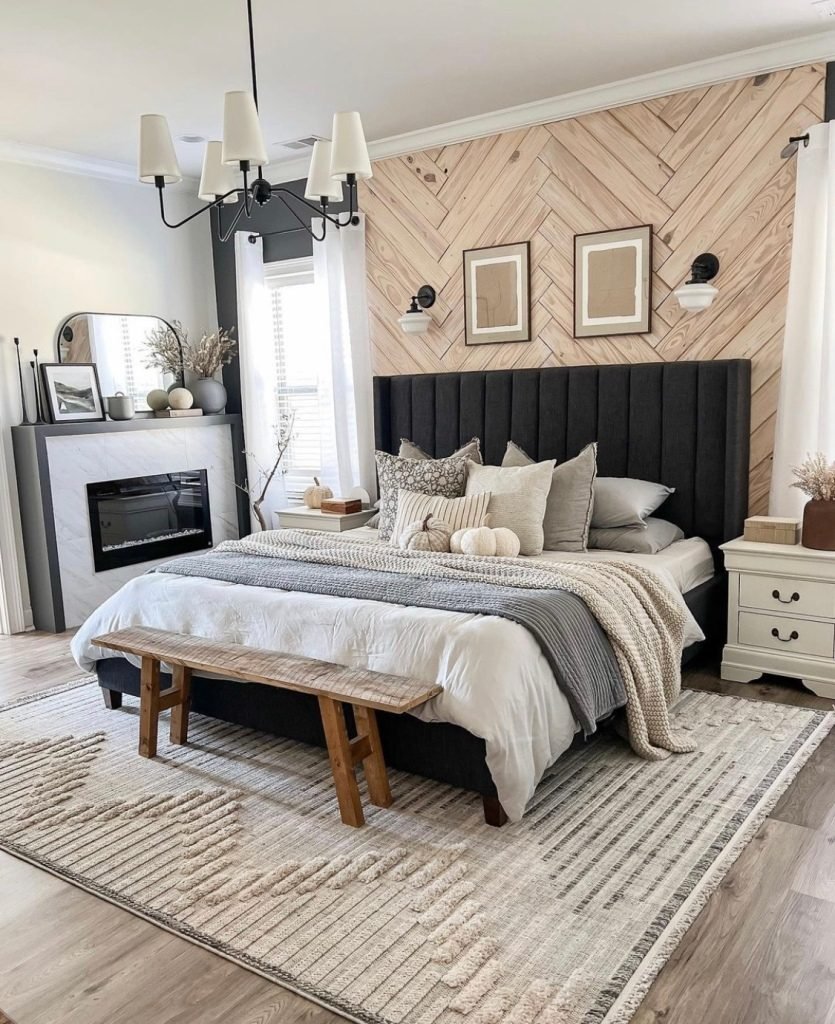
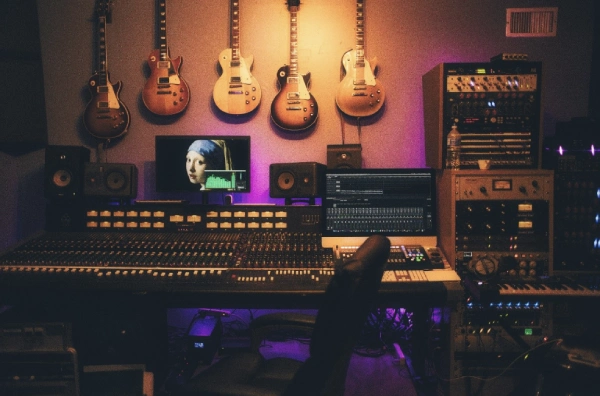
A home entertainment space has to cater to two very different needs. It requires the technology to produce good sound and picture quality, but also needs to retain a feeling of being part of the home.
These requirements are far easier to balance when they are prioritised together.
Planning the screen, speakers, lighting, controls and cabling with the interior can help to prevent it from eventually being dominated by equipment and visible cabling.
Start With How the Room Will be Used
The layout should be based on what the room will be used for.
Some homeowners want a dedicated space to primarily enjoy films and television, whereas others require a more versatile room for music, gaming, sport and everyday family use.
Screen position, seating and viewing distances should therefore be prioritised before decorative elements. A large screen that looks impressive on one wall may not be particularly well suited if the seating needs to be placed too close to it.
Furniture also requires enough space, to allow people to move comfortably in the room. If the room will be used by larger groups, sightlines from different seats should be checked rather than designing around a single viewing position.
Make the Technology Part of the Interior
Televisions, speakers, and other AV equipment can become the most visually dominant elements in a room.
A better approach is to think of them as part of the interior rather than additions to it.
A screen can be incorporated into bespoke cabinetry, wall panelling or a purpose-designed media wall and speakers can also be positioned discreetly within the room, while equipment such as amplifiers, media players and control hardware can also be housed in cabinets or a separate equipment area.
Style Your Sanctuary’s guide to luxury home interior design also looks at the relationship between personalised interiors, layered lighting and smart-home technology when designing a well-designed home.
Give Sound as Much Attention as the Screen
The largest television available will not necessarily create the best entertainment space.
Speaker position, seating location, and the materials used throughout the room can all affect how the system sounds as well. Rooms dominated by hard flooring, glass and bare walls can produce more reflections, while rugs, curtains, upholstered furniture and other softer materials can help to control them.
These choices do not need to make the room look like a recording studio. Materials can be selected for their appearance, while also considering how they will impact the listening environment.
The aim is to create a room where dialogue remains clear and music sounds balanced without letting the acoustics dictate every visual choice.
Plan AV Infrastructure Before Decorating
Cabling is much easier to conceal during a renovation than after walls, floors and cabinetry have been finished.
Power, speaker cables, network connections and control wiring may all need routes through the room and equipment locations also need to be decided early to provide appropriate power, ventilation and access for maintenance.
This is where professional AV design and installation can be incorporate into the wider room design. Planning the AV system with the interior allows screens, speakers, controls and cabling to be positioned deliberately rather than finding places for them once the decorative work is complete.
It can also be more flexible in the future, when providing suitable cable routes and accessible equipment locations give homeowners more flexibility with screens, speakers or other components when they are replaced later.
Use Lighting to Change the Atmosphere
Lighting has a particularly strong effect on an entertainment room because the ideal conditions change depending on how the space is being used.
Bright lighting may be useful when the room is being cleaned or used during the day, but it can become distracting while watching a film. Wall lights, floor lamps, concealed LED lighting and other softer sources can provide more appropriate illumination in the evening.
Dividing lighting into separate circuits gives greater control of the atmosphere. Dimming can then reduce the brightness, around the screen, while still leaving enough light for people to move around comfortably.
Automated scenes can take this further by co-ordinating lighting with blinds and entertainment equipment.
Keep Controls Simple
An entertainment system becomes frustrating if several remote controls and switches are needed before anything can be watched or listened to.
Television, audio, lighting, blinds and other compatible systems can be brought together through a central control system, The technology behind that arrangement may be complicated, but operating it should not be.
Common activities can be configured so that selecting a film or music will automatically prepare the appropriate equipment and room settings.
The same principle applies when the entertainment system forms part of a larger smart home. Individual technologies should work together, rather than requiring the homeowner to think about what is happening behind the scenes.
Design the Room Around the People Using it
Technology should support the room rather than dictate its entire character.
Comfortable seating, useful storage and enough space to move around are just as important as screen specifications and speaker positions. Cabinets can also conceal equipment and accessories, while storage for controllers, headphones, and other items can prevent the room from becoming cluttered.
The final interior can take many forms, as some homeowners may prefer the darker colours and dramatic lighting associated with a private cinema, whereas others may want a bright living space where the entertainment system becomes almost invisible when it is not being used.
The most successful result is one where the technology looks as though it was always intended to be there. Screens, speakers, lighting, furniture and finishes can then work as part of the same room rather than competing for attention.