Decorating a home often starts with a simple thought: a room could feel warmer, brighter, calmer, or more like you. The difficult part is deciding what that change should actually look like. Paint colours can appear different in natural and artificial light, furniture can make a room feel smaller than expected and a style that looks beautiful online may not suit the space you already have.

An AI Image Generator can give homeowners another way to explore those possibilities, with Higgsfield helping turn interior ideas into visual concepts and compare different design directions before buying paint, moving furniture, or committing to a larger project. Instead of treating a generated room as a finished design, you can use it as a starting point for questions: What do I like about this? What feels wrong? Would this colour work with my flooring? Could I create the same mood with pieces I already own?
That approach fits naturally with practical home styling. Style Your Sanctuary focuses on achievable decorating ideas, colour inspiration, room by room advice, DIY, renovation and ways to make a home feel personal. The technology works best when it supports that process rather than trying to replace personal taste.
Start With the Room You Already Have
Before opening an AI tool, look carefully at the room itself. Think about its size, natural light, windows, doors, flooring, existing furniture and the features you want to keep.

An AI Image Generator can produce an attractive room that ignores practical details, so your real space should remain the starting point. A narrow living room needs a different approach from a large open plan space. A north facing room may need different colour considerations from a bright south facing one.
Take a few photographs or write down the important features. Then decide what you are actually trying to change. Perhaps the room feels plain, the furniture arrangement is awkward, or the colours do not work together.
Having a clear problem to solve will make experimentation much more useful.
Turn a Decorating Thought Into a Picture
Sometimes you know the feeling you want before you know the exact design. You might want a bedroom to feel calm and restful, a living room to feel cosy, or a hallway to look brighter.
An AI Image Generator can help turn that vague description into a rough reference. You can explore whether warm neutrals, soft greens, natural textures or darker accents create the atmosphere you had in mind.
The first result is not necessarily the answer. It is something to react to.
You may discover that the room feels too dark, that the furniture is too formal, or that the colour combination looks different from what you imagined. Those observations are useful because they help you narrow down your preferences before making real changes.
Experiment With Colour Before You Paint

Colour is one of the most simple ways to alter the character of a room, and one of the most difficult decisions that a homeowner can make.
For any broad colour direction, an AI Image Generator can come in handy. A softer neutral room might be a more contrasting green or accent wall, or perhaps a more subdued beige color.
It’s crucial to remember that the image is to be viewed as inspiration, not an assurance that a specific color choice will be the exact same shade in your space. There are various reasons why screens render colors differently and actual paint will vary based on light, room size, surrounding colors and the finish applied.
After narrowing your choices down, obtain samples or test a small section of the actual wall. This is a blend of digital experimentation and the checking that a real decorating project demands.
See What Different Furniture Arrangements Might Feel Like
Furniture placement can change how a room works without requiring you to buy anything.
An AI Image Generator can help you explore broad layout ideas before you start moving heavy furniture around. A living room might be imagined with the sofa facing a fireplace, arranged around a coffee table, or positioned to create a clearer walkway.
The generated result should not be treated as an accurate floor plan. Proportions can be wrong and an AI image may make furniture appear to fit when it would not work in the real room.
Use the images to think about relationships rather than measurements. Does the room feel open? Is the seating area inviting? Is there enough visual space around the main furniture?
For exact placement, measure the room and use those measurements to make the final decision.
Create a Mood Board From Your Own Preferences
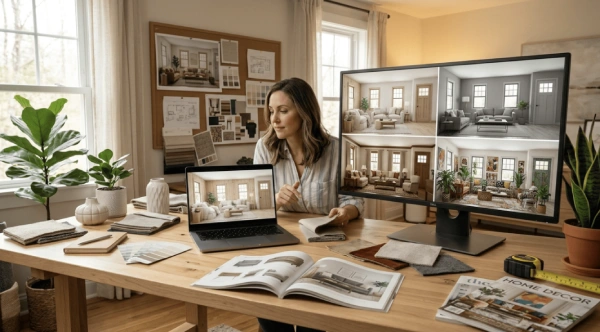
Mood boards are useful because decorating is rarely about one item. A room needs colours, textures, furniture, lighting and accessories that work together.
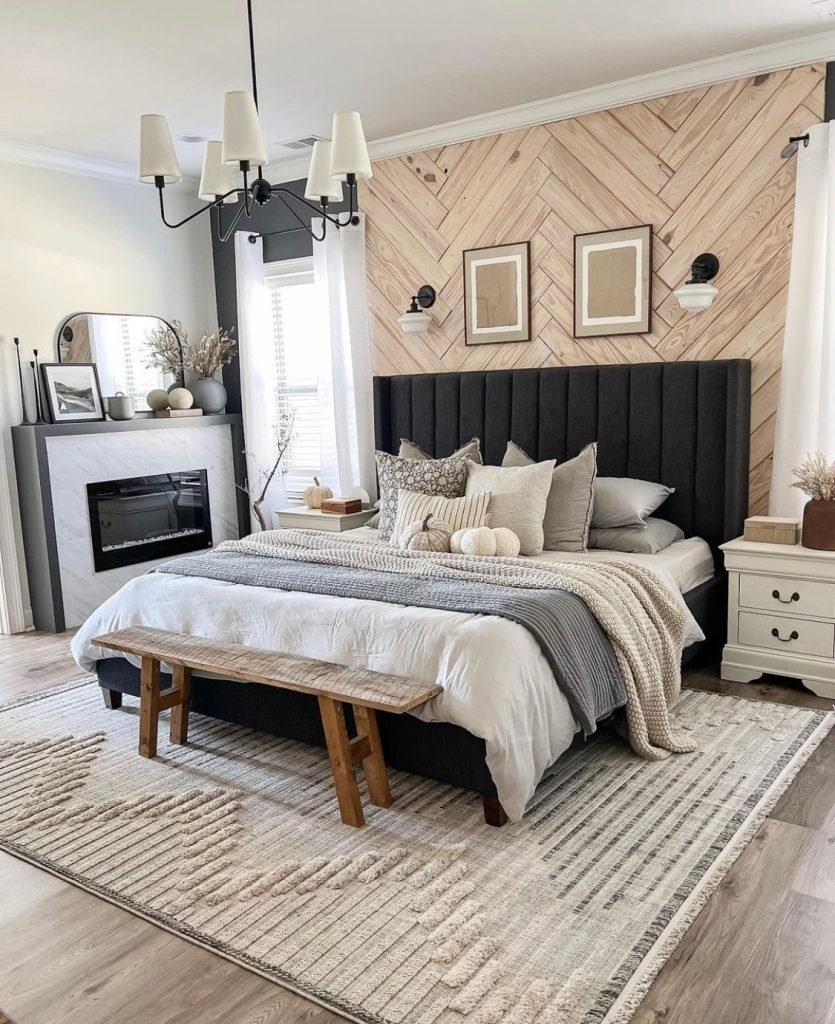
An AI Image Generator can help you explore a mood before you start collecting individual pieces. If you like a relaxed natural style, for example, you can explore how wood, woven textures, soft fabrics and earthy colours might work together.
This can also help when you are unsure whether several ideas belong in the same room. A dramatic light fitting may look beautiful by itself but feel out of place beside very traditional furniture.
The goal is not to copy the generated room. Instead, use it to identify the elements that appeal to you. Those might be a particular colour combination, a type of lighting, the balance between plain and patterned fabrics, or the amount of greenery in the space.
Compare Styles Before Spending Money
It’s easy for homeowners to get caught up in the trend. It’s possible that a style looks great on social media, but isn’t so comfortable in real life.
Before buying any of the items, a person can easily compare the general directions for decorating using an AI Image Generator. Consider a minimalist interior, classic design, coastal vibe, or a contemporary and cozy room.
When presented together, it helps to make sense of what you like and dislike.
You may realise that you like the simplicity of minimalism but still want the warmth of natural materials. Instead of an all-modern room you may instead want a more traditional room with some modern elements.
It’s a better result than just asking what’s in style.
Work With What You Already Own
Decorating does not always mean replacing everything.
An AI Image Generator can help you think about how existing furniture might work within a new direction. A wooden dining table, an old armchair or a favourite piece of artwork may become the starting point for the room rather than something that needs to be removed.
This approach can also make a project more affordable.
Try identifying the pieces you genuinely want to keep before looking for replacements. Then explore colours and accessories that could help those items feel more connected.
A generated room might suggest a completely new sofa, but the more useful question could be whether your current sofa would work with a different rug, wall colour, lighting arrangement or group of cushions.
Explore Small Changes Before a Major Renovation
Not every room needs a major transformation.
Style Your Sanctuary’s recent advice on interior updates takes a similar practical approach, encouraging homeowners to consider what they already have, including layout, lighting, texture and proportion, before making large changes.
An AI Image Generator can support this way of thinking by helping you test smaller changes first.
Imagine the same room with lighter walls, different curtains, a larger rug, warmer lighting or a few pieces of artwork. You may find that one or two adjustments solve the problem you were trying to fix.
This can prevent the common temptation to assume that a complete redesign is necessary.
Use AI to Prepare for a Shopping Trip
Shopping for home decor is easier when you know what you are looking for.
An AI Image Generator can help you establish a general direction before visiting shops or browsing online. If you know that you want a warm neutral room with natural textures and black accents, you can focus your search instead of saving hundreds of unrelated products.
The image can act as a visual reference while you compare real items.
However, check dimensions, materials, prices and colours independently. A generated room does not tell you whether a real sofa will fit through your doorway or whether a particular rug is large enough for your seating area.
Those decisions still require practical information.
Try Different Lighting Moods
Lighting is often overlooked when decorating, even though it can dramatically affect how a room feels.
An AI Image Generator can help homeowners explore the difference between a brightly lit room, a softer evening atmosphere, layered lamps, or a more dramatic use of accent lighting.
This can be particularly useful when you are planning a bedroom, living room or reading corner.
Once you know which mood you prefer, think about how to achieve it in the real space. That might mean changing lampshades, adding a floor lamp, using warmer bulbs or improving the position of existing lights.
The generated picture gives you an idea to investigate, not a guaranteed lighting plan.
Where Higgsfield Can Fit Into the Decorating Process
Higgsfield can be considered when homeowners want to experiment with different creative directions while planning a room. The useful starting point is still the home itself and the problem you are trying to solve.
It can help you explore alternative treatments for a decorating idea and give you another reference to compare with your own preferences.
The Higgsfield can also be relevant when someone wants to experiment with different approaches to presenting a room idea before deciding which elements are worth developing further.
The important point is to keep the tool in the planning stage. Higgsfield should not decide what your home needs and it should not replace measurements, samples or professional advice where that is necessary.
For homeowners, the benefit is having another way to think through possibilities before making a commitment.
Check the Details Before Making a Real Change
Rooms created by computer software can look appealing, even though they contain things that wouldn’t work in real life.
A window might be too small and a sofa might hinder a doorway, lighting fixtures could hang too low or a piece of furniture could be displayed in a place that will not fit it. An AI generated image must be viewed with a realistic eye.
Be sure to look beyond the overall design. Verify that the layout is logical or if there’s enough circulation space, and if the finishes and materials fit the way the space is utilized.
If you’re planning to make electrical, structural, plumbing or any other changes to your technical setup employ qualified professionals and the appropriate measurements instead of using an AI Image Generator.
Keep Your Own Taste in Charge
One of the most common mistakes is allowing images generated to dictate how a room ought to look like.
Your home does not have to be a picture of an editorial spread or a perfect online space. It should be functional for those living in it.
The AI Image Generator will provide you with the possibility of a great idea however that doesn’t necessarily mean that it’s the best option for you.
Take a look at how you utilize the space. Do you need storage? Are children using the space? Do pets wander through it? Do you entertain regularly? Are you looking for a living space which is calm and clear or one that has books or artwork, as well as personal items?
The answers to these questions will affect the design in the end more than a generated image.
Use AI as a Planning Tool, Not a Shopping List
It’s tempting to glance at a room that has been created and begin searching for every object within it. The best approach is to determine the underlying principles of the room.
Perhaps you enjoy the contrast between dark and light furniture. Perhaps you like the way that artwork is grouped and the harmony between soft fabrics or hard materials. An AI Image Generator will help you see these connections.
Once you have a clear understanding of what you enjoy then you can recreate the sensation with the right products and accessories that are suitable for to your financial budget, living space, and the way of life.
Higgsfield can also be useful here when you want to compare different interpretations of the same decorating direction before deciding what is worth pursuing.
That approach is more flexible and usually more personal than trying to reproduce an imaginary room item for item.
A Simple Way to Explore a Room
Start by photographing the room and writing down what you want to improve. Choose one issue rather than trying to redesign everything at once.
Then use an AI Image Generator to explore a few broad directions. Look carefully at what appeals to you and what does not.
Return to the real room. Take measurements, check your natural light, consider what you already own and decide which ideas are realistic.
If a colour appeals to you, test the actual paint. If a furniture arrangement looks promising, measure the space. If a lighting idea works in the generated picture, investigate real fixtures that could create a similar effect. This keeps the creative part enjoyable while making sure the final decisions are grounded in reality.
Final Thoughts
An AI Image Generator can be a useful companion when homeowners are unsure where to begin with decorating. It can help turn vague ideas into something visible, compare different styles, explore colour combinations, think about furniture arrangements and develop a mood before money is spent.
Its real value is not that it can produce a perfect room on demand. It is that it gives you something to react to.
Use the ideas as a starting point, then return to your actual home, your measurements, your budget and your own taste. Higgsfield can be one option for exploring those early possibilities, while the Higgsfield AI creative suits can add another route for experimenting with presentation and style.
The best decorating decisions still come from understanding how a home is lived in. AI can help you explore what might work, but you are the person who knows what will make the space feel like your own.